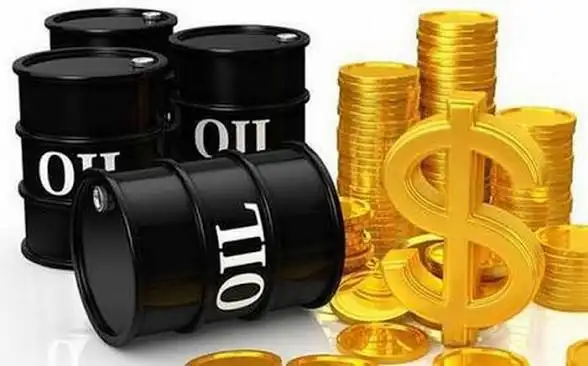
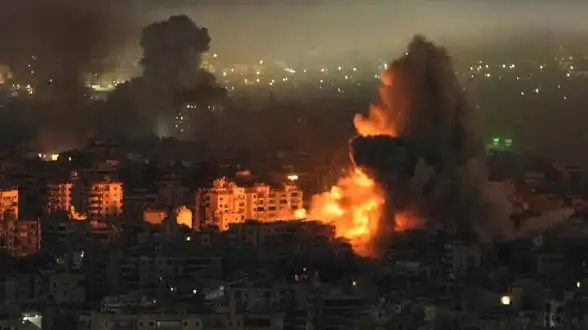
Global oil markets remain under intense pressure as crude prices continue to trade above 100 dollars per barrel amid escalating conflict in the Middle East. Energy traders and analysts say the sustained price surge reflects deep concern about disruptions to critical shipping routes and production facilities across one of the world’s most important energy regions. The rising cost of oil has quickly become one of the most closely watched economic consequences of the expanding regional crisis.
Market activity has been particularly sensitive to developments near the Strait of Hormuz, a narrow maritime corridor through which a large share of the world’s oil exports normally travels. Security threats in the surrounding waters have caused many shipping operators to reconsider planned routes or delay tanker movements altogether. The slowdown in tanker traffic has tightened supply expectations and contributed to the steady rise in global benchmark prices.
Energy producers and major oil importing countries are now closely assessing how long the disruption could last. Several governments have begun discussing contingency measures designed to prevent shortages in domestic fuel markets. Industry observers note that global energy supply chains depend heavily on predictable flows from Gulf producers, meaning even temporary interruptions can ripple quickly across international markets.
The increase in oil prices is already raising concerns among economists and policymakers who fear broader economic effects. Higher energy costs often translate into rising transportation expenses, more expensive food production, and increased manufacturing costs. Financial markets have reacted cautiously as investors attempt to measure the potential long term economic consequences of the conflict.
Energy experts say the coming weeks will be critical in determining whether markets ilize or continue climbing. Much will depend on the security situation around key shipping lanes and the ability of major producers to maintain exports despite the heightened risks. For now, the global economy is closely watching the evolving situation as the Middle East conflict continues to reshape energy markets and influence economic planning worldwide.






Leave a comment