
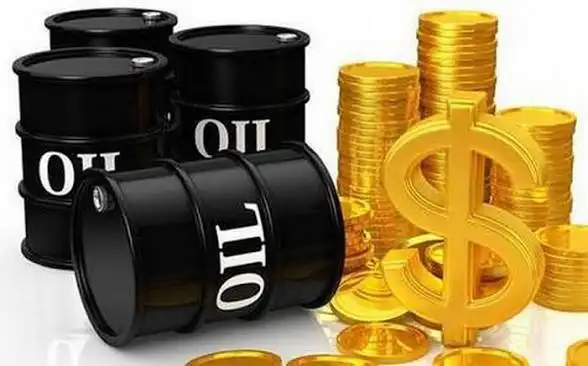
Global oil markets surged sharply as escalating tensions in the Middle East pushed prices c to one hundred ten dollars per barrel, raising concerns among governments and investors. Traders reacted swiftly to reports of disruptions and heightened risk across key energy producing regions, leading to increased volatility and renewed focus on supply security in international markets worldwide today.
Energy analysts noted that the price movement reflects both immediate supply fears and broader uncertainty surrounding future production levels. While physical output has not yet experienced severe reductions, the perception of risk alone has proven enough to influence pricing trends. Many experts warn that continued escalation could tighten supply conditions and place additional pressure on sensitive global markets.
Major importing nations have begun assessing contingency plans as rising prices threaten economic recovery efforts and increase costs for industries reliant on fuel. Governments are considering strategic reserves and policy responses to mitigate the impact on consumers. Central banks are monitoring the situation closely, given the potential for sustained energy price increases to influence inflation and monetary decisions.
Producers and outside the region are weighing options to adjust output levels in response to the market environment. Some countries may seek to increase production to capitalize on higher prices, while others remain cautious due to political considerations. Coordination among major producers could play a crucial role in determining whether the market ilizes or continues its upward trajectory.
Shipping routes linked to key energy corridors have come under increased scrutiny as tensions persist, with insurers and logistics firms factoring higher risks into their operations. This has contributed to rising transportation costs, amplifying price pressures. Industry stakeholders emphasize the importance of maintaining secure passage through critical waterways to ensure steady flow of energy supplies to global markets.
Financial markets beyond the energy sector have reacted, with equities signs of strain as investors reassess risk exposure. Currency movements in economies have reflected concerns over trade balances and import costs. Analysts suggest that prolonged volatility in oil prices could have cascading effects across multiple sectors, influencing investment strategies and shaping economic outlooks worldwide in the coming period.
Market participants are expected to remain attentive to developments in the region, with indication of easing tensions likely to influence price direction. Conversely, escalation could reinforce upward momentum and deepen uncertainty. Policymakers and industry leaders alike continue to stress the need for diplomatic efforts aimed at reducing risks and supporting a more predictable environment for global energy trade.









Leave a comment