
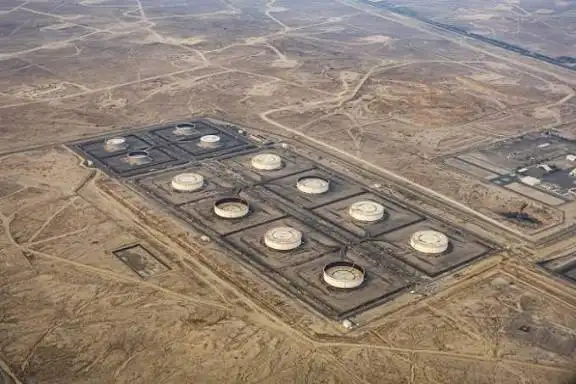
Global energy markets are experiencing intense volatility as tensions across the Middle East place critical oil infrastructure and shipping routes under sustained pressure. Missile and drone activity linked to the ongoing confrontation between Iran, Israel, and the United States has expanded toward several Gulf Arab states, prompting heightened military readiness across the region. Saudi Arabia, Bahrain, and the United Arab Emirates have strengthened air defense systems while monitoring risks to major energy facilities that play a vital role in global oil supply.
At the center of international concern is the Strait of Hormuz, a narrow maritime corridor through which a large share of the world’s oil shipments pass each day. Disruptions to shipping traffic have already slowed tanker movements and triggered insurance reassessments for vessels traveling through the Gulf. Saudi Aramco officials warned that any prolonged interruption to traffic through the strait could have severe consequences for global energy markets, potentially sending prices sharply higher and tightening supply for importing nations.
Oil prices have fluctuated dramatically during the crisis as traders respond to developments across the region. Brent crude briefly approached the one hundred twenty dollar level before retreating amid uncertainty about the scale and duration of the conflict. Analysts say the inility is being fueled not only by physical risks to oil facilities but also by growing fears that the conflict could widen across multiple countries. Commodity markets beyond energy have also reacted strongly, with metals and agricultural products experiencing price swings as investors seek safe assets.
Beyond the immediate economic consequences, environmental experts have raised alarm over the ecological risks linked to damage at Iranian fuel depots and storage facilities. Fires at energy infrastructure can release toxic smoke and chemical pollutants that spread across nearby urban areas. In Tehran, health officials have warned residents about respiratory hazards as thick smoke from burning fuel sites drifts across parts of the city. Scientists caution that contamination from such incidents could affect soil and water resources for years if cleanup operations are delayed.
Governments around the world are now considering emergency measures to shield their economies from the effects of prolonged energy disruption. Several countries are reviewing strategic petroleum reserves and discussing coordinated responses to ilize fuel supplies. Economists warn that sustained price increases could intensify global inflation, particularly in energy dependent developing nations that already face economic pressure. As the confrontation continues, many analysts believe the crisis could reshape global energy security policies and accelerate efforts to diversify fuel sources.











Leave a comment