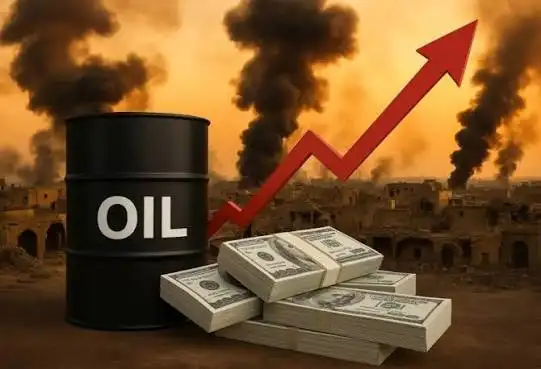
Energy analysts are warning that ongoing military tensions in the Gulf region could trigger extended disruptions in global oil and gas markets, with potential consequences for supply stability, pricing, and broader economic conditions. The conflict involving Iran, Israel and the United States has already caused sharp volatility in crude benchmarks and shipping rates, raising concerns about sustained instability.
Market observers note that the Strait of Hormuz, a critical passage for global energy exports, remains vulnerable to interruption. Any further escalation or targeted attacks on pipelines, ports, or tanker traffic could constrain supply and drive prices higher. Even temporary disruptions in this strategically important corridor are likely to ripple through downstream markets, affecting refineries, distribution networks, and consumer energy costs.
Analysts emphasize that energy importers and exporters alike must prepare for prolonged uncertainty. Companies are adjusting shipping schedules, increasing insurance coverage, and evaluating alternative routes to mitigate risk. Governments are reviewing strategic reserves and emergency response measures to ensure continued access to essential energy supplies.
Global markets have already responded to the heightened risk. Brent crude and West Texas Intermediate prices have climbed, reflecting both physical supply concerns and geopolitical risk premiums. Financial institutions warn that persistent market stress could feed into inflationary pressures, particularly in economies heavily reliant on imported fuel.
The potential for prolonged disruption also has implications for investment and policy planning. Energy sector executives are reconsidering project timelines, while policymakers may be forced to balance price stabilization measures with broader economic and social priorities. Analysts note that uncertainty in the Gulf could incentivize diversification of supply sources and accelerate shifts toward alternative energy strategies in some regions.
While some traders hope that diplomatic engagement or de escalation could restore stability, experts caution that even minor incidents could trigger cascading effects in tightly coupled global energy systems. Contingency planning, close monitoring of regional developments, and coordinated international response mechanisms are seen as essential to mitigating long term disruption.
The overall message from analysts is clear: the longer the conflict persists, the greater the risk to energy security, market stability, and economic resilience. Companies, governments, and consumers are advised to prepare for ongoing volatility and remain vigilant in monitoring developments.









Leave a comment