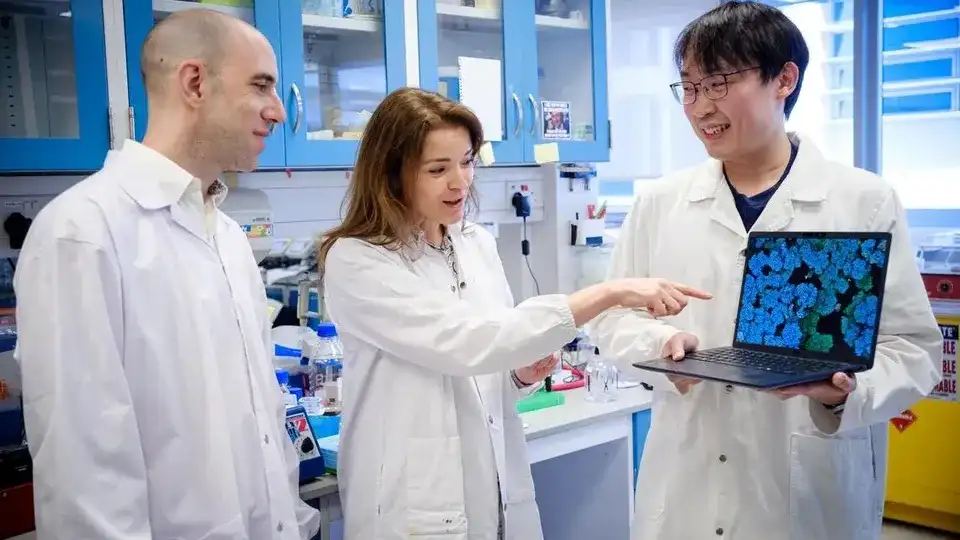
An international team led by Nanyang Technological University, Singapore (NTU Singapore), in collaboration with the University of Geneva, has uncovered a groundbreaking approach to help chronic wounds heal faster, including those infected with antibiotic resistant bacteria. The study identifies how the common bacterium Enterococcus faecalis sabotages the body’s natural repair process.
Unlike other pathogens that rely on toxins, E. faecalis uses a “metabolic weapon” called extracellular electron transport (EET) to produce hydrogen peroxide, creating oxidative stress around the wound. This triggers a protective “standby” mode in skin cells, effectively freezing them and preventing wound closure.
Researchers found that applying catalase, a naturally occurring antioxidant enzyme, breaks down the hydrogen peroxide, allowing skin cells to regain mobility and repair the wound—even in antibiotic-resistant infections.
Chronic wounds, including diabetic foot ulcers, affect nearly 19 million people worldwide and are a leading cause of amputations. By targeting bacterial byproducts rather than the bacteria itself, this strategy offers a promising alternative to traditional antibiotics.
Future treatments may include antioxidant infused dressings designed to “unfreeze” the healing process, providing faster recovery for patients trapped in cycles of chronic infection and tissue damage.













Leave a comment