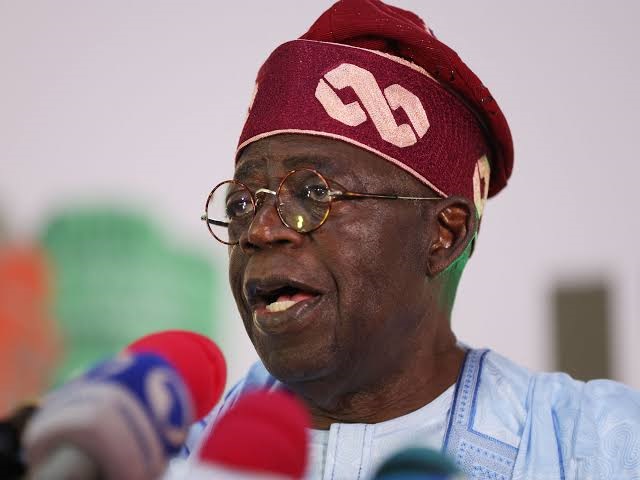
President Bola Ahmed Tinubu has introduced a transformative fiscal policy in Nigeria, seeking parliamentary approval for a proposed spending plan of 43.56 trillion naira (about $29.96 billion). This initiative aims to repeal the current 2024 budget and extend it through December 2025, addressing concerns over overlapping fiscal cycles and improving public finance management.
The proposal is a response to criticism from lawmakers regarding the government’s practice of rolling over capital budgets, which has resulted in confusion, reduced accountability, and eroded public trust. By consolidating capital spending under a single framework, the initiative aims to enhance planning, fiscal discipline, and the execution of capital projects in Africa’s most populous nation.
The budget allocates funds across key sectors: 1.74 trillion naira for statutory transfers, 8.27 trillion naira for debt servicing, 11.27 trillion naira for recurrent expenditures, and a significant 22.28 trillion naira for capital projects. This allocation showcases the administration’s commitment to infrastructure development and economic growth.
President Tinubu highlighted that this reform would eliminate the practice of managing multiple budgets simultaneously, thereby improving fiscal clarity. The proposal is set to be thoroughly examined by both chambers of the National Assembly, demonstrating the government’s commitment to tackling fiscal challenges and fostering economic ility.
The move is part of a broader strategy to enhance fiscal responsibility and ensure that the budget effectively contributes to national development. By resetting the budgeting process to align with a calendar-year cycle, the administration aims to create a more transparent and efficient financial management system.
As discussions unfold in the legislative process, stakeholders are keenly watching its potential impact on Nigeria’s economic trajectory and the effectiveness of its implementation.













Is Tinubus $30 billion budget reform proposal realistic or just wishful thinking? Lets discuss! 🤔💰 #NigeriaBudget #FiscalYears
Wow, Tinubu suggesting a $30 billion budget reform? Thats a bold move. Wonder if itll actually sync up fiscal years effectively.
Why not synchronize fiscal years to boost economic ility and efficiency? Tinubus proposal could be a game-cer for Nigeria.
I wonder if this budget reform will actually bring positive ce or just be another band-aid solution. Time will tell!
I dont see why Nigeria needs to synchronize fiscal years. Seems like a lot of effort for little gain.
Do you think Tinubus $30 billion budget reform proposal will actually help synchronize Nigerias fiscal years? Share your thoughts!
Is Tinubus budget reform proposal realistic or just wishful thinking? Will it truly synchronize Nigerias fiscal years?
Wow, $30 billion budget reform in Nigeria? Thats a massive move! Do you think it will actually help synchronize fiscal years effectively?