
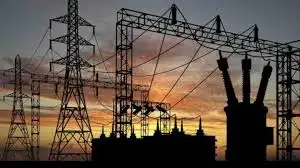
The Nigerian power sector recorded losses of about N187 billion due to unbilled energy between July and October 2025, data from the Nigerian Electricity Regulatory Commission (NERC) reveals. The shortfall underscores persistent inefficiencies in billing and revenue collection, which continue to strain the industry’s liquidity.
According to NERC’s Commercial Performance of Distribution Companies (DisCos) factsheets, the 11 DisCos received N300.04 billion worth of electricity in July but billed only N243.14 billion, leaving N54.9 billion unbilled, representing a billing efficiency of 81.04 per cent. While September recorded the best performance at 86.43 per cent, October saw a decline to 83.99 per cent, with N48.66 billion worth of power unbilled despite higher energy intake.
Disparities among DisCos were significant. Kano DisCo achieved the highest billing efficiency at 98.05 per cent, followed by Eko (95.71 per cent) and Ikeja (94.36 per cent), while Benin (65.32 per cent), Yola (66.03 per cent), and Ibadan (73.51 per cent) lagged behind. Collection efficiency compounded the problem, with Jos and Kaduna recovering less than half of their billed revenue, while Ikeja and Eko surpassed 93 per cent. Overall, the sector’s recovery efficiency averaged 82.49 per cent, reflecting the combined impact of unbilled and uncollected electricity.
Experts attribute the losses to poor metering, estimated billing, energy theft, network inefficiencies, and weak enforcement, warning that continued inefficiencies threaten the financial stability of DisCos and the wider electricity market. NERC has directed utilities to accelerate meter deployment under the National Mass Metering Programme to address the challenge.
The figures highlight structural weaknesses that undermine reforms and leave compliant customers shouldering the cost of inefficiencies, raising concerns about the sustainability of Nigeria’s ongoing power sector interventions.









I think its time for Nigeria to crack down on energy theft. Its not fair to honest consumers!
Can we really trust the accuracy of these figures? Seems like theres more to this story than meets the eye.
I wonder if the government will ever address this issue properly or if its just going to keep getting worse.
I cant believe the amount of money lost in unbilled energy! The power sector in Nigeria needs serious reform.
Do you think implementing smart meters could help reduce unbilled energy losses in Nigerias power sector? Worth exploring!
I cant believe the amount of money lost in unbilled energy! This inefficiency needs urgent attention. What do you guys think?
Isnt it time for stricter measures to tackle energy theft in Nigeria? This loss is crazy! Something needs to change.
Is anyone surprised by this at all? The power sector in Nigeria has been a mess for ages. When will things change?
Is it time for Nigeria to implement stricter measures to combat energy theft and reduce revenue loss in the power sector?