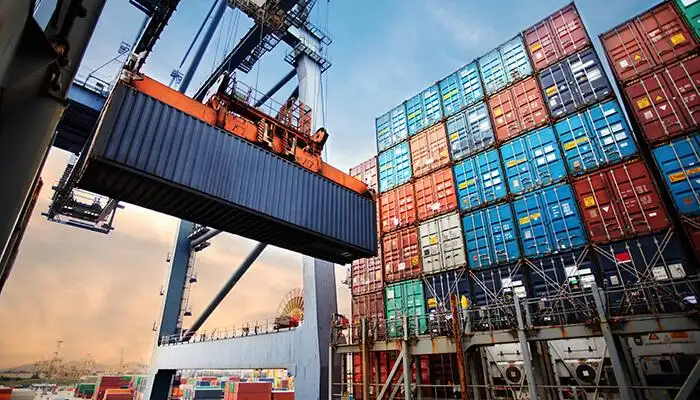
Nigeria’s economy showed a growth of 3.98% in Q3 2025, as reported by the National Bureau of Statistics (NBS), up from 3.86% in the same period of 2024. This growth was mainly attributed to the non-oil sector, which made up 96.56% of the total Gross Domestic Product (GDP).
The services sector was the largest contributor, representing 53.02% of real GDP and growing by 4.15%, although this figure is a slight decrease from 4.97% in Q3 2024. Key industries within services, including telecommunications, financial services, real estate, and trade, were instrumental in this growth.
Agriculture also showed improvement with a growth rate of 3.79%, compared to 2.55% in Q3 2024. Crop production, which constituted 65.99% of agricultural output, remained essential despite ongoing challenges like price fluctuations.
The industrial sector expanded by 3.77%, an increase from the 2.78% recorded a year earlier, driven by manufacturing and mining activities. However, the mining and quarrying subsector faced a notable decline of 41.08% year-on-year, indicating significant volatility in pricing and production.
In the oil sector, crude oil production averaged 1.64 million barrels per day in Q3 2025, an increase from 1.47 million barrels per day in Q3 2024 but slightly lower than 1.68 million barrels per day in Q2 2025. The oil sector experienced a growth of 5.84%, down from a robust 20.46% in the previous quarter, contributing 3.44% to the real GDP.
Overall, Nigeria’s economic landscape shows resilience and diversification, with the non-oil sector playing a critical role in sustaining growth amid fluctuating global oil prices.









Wow, cant believe the non-oil sector is saving Nigerias economy. Who wouldve thought? Great news, but is it sustainable though?
Wow, thats great news for Nigeria! But can this growth be sustained long-term without relying on the volatile oil sector?
Wow, thats great news for Nigeria! But do you think the non-oil sector growth is sustainable in the long run? Lets discuss.
I dont buy this growth hype. Nigerias economy is still struggling. Lets not overlook the challenges ahead. #RealityCheck
Wow, thats great news for Nigeria! But shouldnt we also focus on sustainable growth for the long term? Just a thought.