
Nigeria’s economy and political landscape are currently navigating a complex web of intertwined challenges, creating a palpable sense of uncertainty for both citizens and investors. The recent delay in the confirmation of key ministerial nominees by the Senate has injected a dose of anxiety into the political atmosphere. This holdup, reportedly due to discrepancies in submitted documents and ongoing security clearances, is hindering the smooth formation of the new cabinet, crucial for implementing the President’s economic agenda.
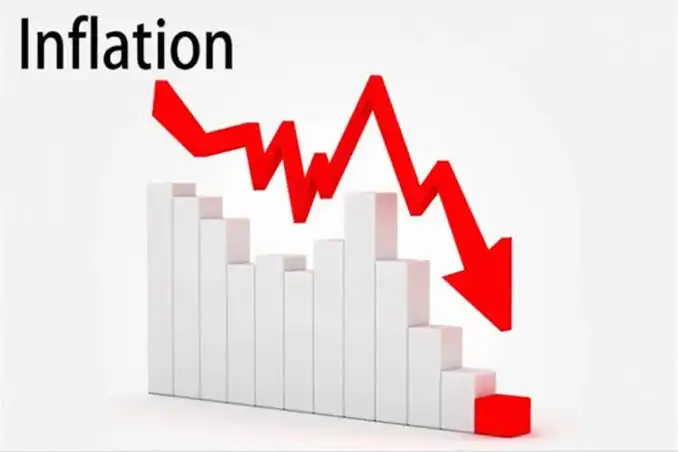
Economically, the country continues to grapple with persistent inflation, hovering stubbornly around 22 percent. The rising cost of living, especially food prices, is putting immense pressure on households, sparking concerns about potential social unrest. The recent decision by the Central Bank of Nigeria (CBN) to maintain its benchmark interest rate, while intended to curb inflation, has been met with mixed reactions. Some economists argue that this approach might stifle economic growth by making borrowing more expensive for businesses.
Adding to the economic woes is the volatility in the foreign exce market. The naira has experienced fluctuations against major currencies, impacting import costs and further fueling inflation. The government’s efforts to ilize the currency through various interventions have yielded limited success, prompting calls for a more comprehensive and sustainable approach to foreign exce management.
On the political front, tensions are simmering as opposition parties continue to challenge the outcome of the recent presidential election in court. While the legal process unfolds, the political climate remains charged, with accusations of electoral irregularities and calls for greater transparency in the electoral system. The outcome of these legal challenges will undoubtedly have significant implications for the ility and direction of Nigerian politics in the coming years. The current state highlights the urgent need for cohesive leadership, sound economic policies, and a commitment to good governance to steer the nation towards a more le and prosperous future.











I believe Nigerias leaders need to prioritize economic ility over political gains. What do you all think? 🤔
I believe Nigerias leaders need to prioritize economic ility over political games. The countrys future depends on it.
I believe the key to untangling Nigerias economic and political challenges lies in innovative leadership and grassroots empowerment. What do you think?
I think the article missed the mark on discussing the potential solutions to Nigerias intertwined challenges. What do you all think?
I dont buy the idea that Nigerias economy and politics are deeply connected. Its like saying coffee and rain are related! 🤷♂️
Is it just me or does it feel like Nigerias economy and politics are stuck in a never-ending loop of challenges? Whats the solution here?
I think the government needs to prioritize tackling corruption to truly address Nigerias economic and political challenges. Agree or disagree?
I believe Nigerias economy and politics cant be separated. Its like peanut butter and jelly – they just go together!