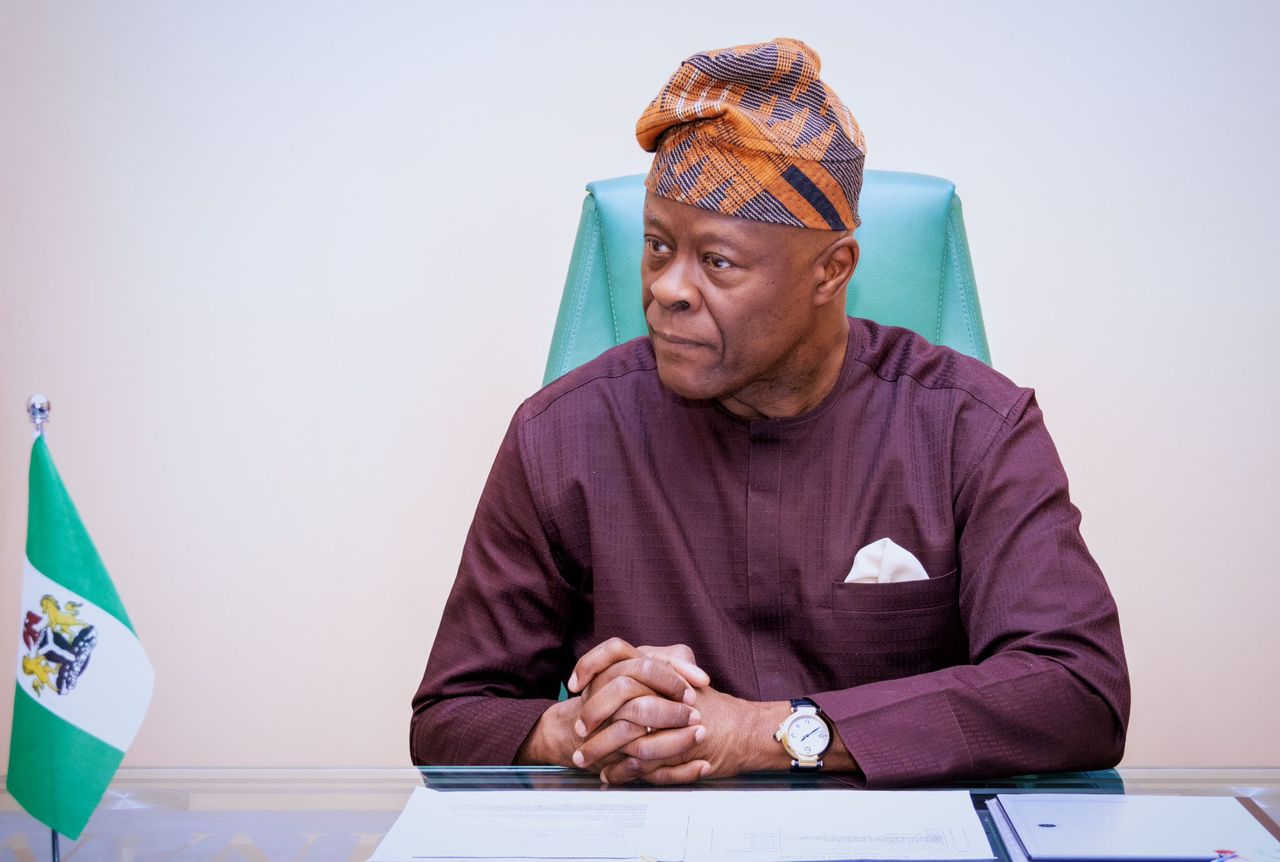
Nigeria spent N11.1 trillion on capital expenditure in 2024, achieving an 85 per cent implementation rate, Finance Minister and Coordinating Minister of the Economy Wale Edun has said. The extension of the 2024 budget cycle was aimed at ensuring the completion of priority projects across sectors, according to Edun.
Speaking at the 2026 Macroeconomic Outlook event of the Nigerian Economic Summit Group in Lagos, Edun defended the government’s capital spending, highlighting the focus on execution over abandonment. He said the expenditures were linked to stabilising food prices, improving electricity delivery, accelerating road construction, expanding mortgage lending, and creating conditions for sustained economic growth.
However, economists have questioned the tangible effects of the spending. Professor Akpan Ekpo noted that delays in capital releases for the 2024 and 2025 budgets have hindered the real impact on the economy. “The impact is not felt because of delayed releases,” he said, stressing that capital expenditure is crucial for growth.
Similarly, Marcel Okeke, former Chief Economist at Zenith Bank, pointed out that inflation and naira depreciation have eroded the real value of the spending. He noted that rising costs for materials and fuel mean that much of the budget’s intended impact remains unrealised.
Edun acknowledged fiscal challenges but emphasised that statutory obligations, including salaries and debt servicing, were fully met. He also highlighted the importance of productive investment, the role of the private sector, and the need for Nigerians at home and abroad to invest in national development.
The minister stressed that capital expenditure should translate into shared prosperity and inclusive growth, warning that the nation cannot afford delays or stagnation in project execution. He framed the spending as part of a broader strategy of fiscal discipline, transparency, and structural reform, aimed at turning stability into job-rich, sustainable development.







Is this massive spending really benefiting the average Nigerian, or is it just lining the pockets of politicians? #CorruptionOrDevelopment
I wonder if all that spending on capital projects will actually improve the lives of Nigerians or just line pockets.
Is the hefty investment in capital projects really benefiting the average Nigerian, or is it just lining the pockets of the elite? 🤔
I wonder if all that money spent on projects in Nigeria will actually make a difference. Hope its not going down the drain!
Can we trust the governments figures on spending? Are these capital projects really benefiting the people? Lets dig deeper.
I dont think the money spent is being utilized effectively. Corruption could be hindering the impact of these capital projects.
Do we really believe these capital projects will make a difference or just drain money? Skepticism is high!
Do you think Nigerias massive spending on capital projects will actually benefit the country long-term, or is it just draining resources? Lets discuss!
Is this massive spending really benefiting the average Nigerian citizen or just lining the pockets of the elite? 🤔