
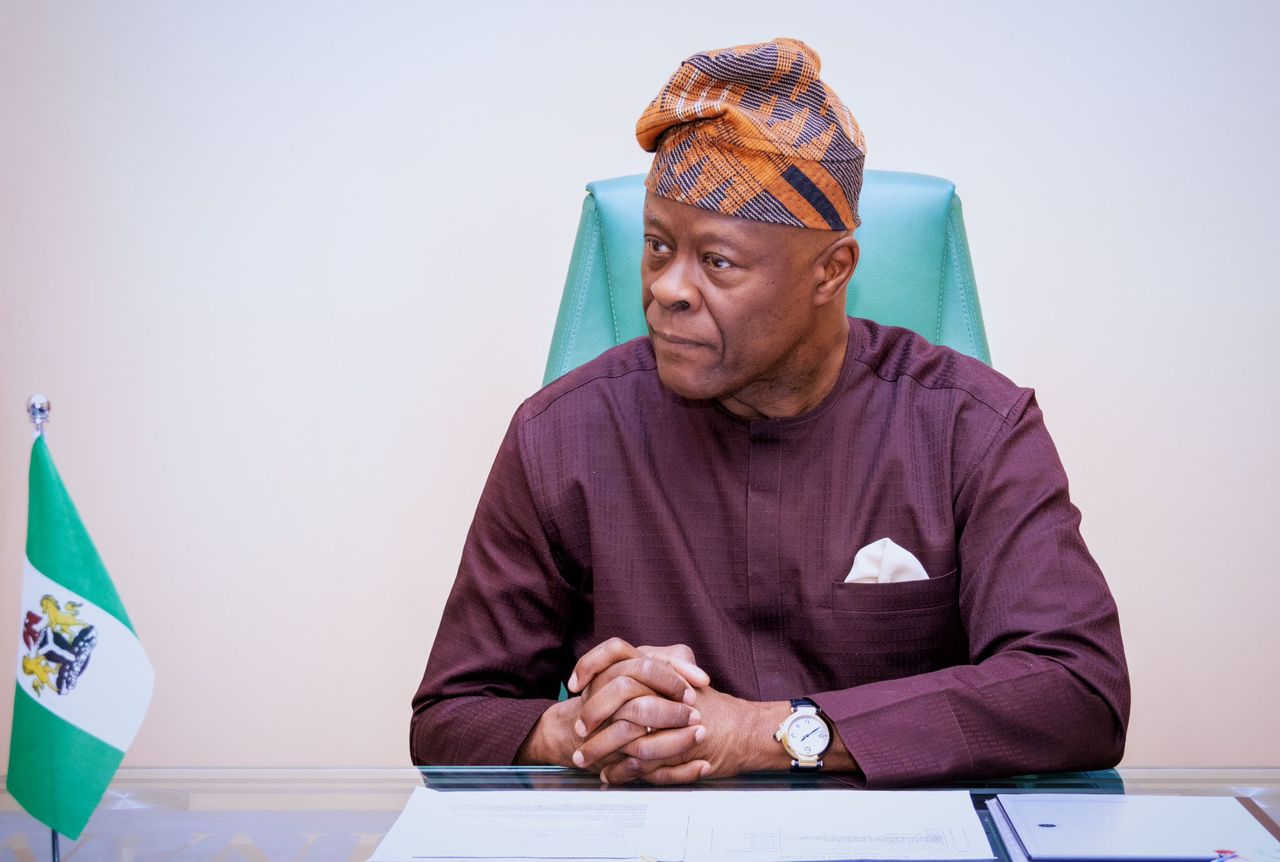
The Minister of Finance and Coordinating Minister of the Economy, Wale Edun, has announced that Nigeria is deliberately moving away from expensive external borrowing toward a growth strategy anchored on private capital and domestic reforms.
Speaking at the G24 Technical Group Meeting in Abuja, Edun said the country is repositioning its economic framework to align with evolving global development finance priorities that emphasise innovative financing and diversified funding instruments.
According to him, Nigeria is targeting an average medium term growth rate of seven per cent, which requires increasing the investment to GDP ratio to at least 30 per cent. With the public sector’s financing capacity currently at about five per cent of GDP, the government plans to attract private capital through structured public private partnerships, optimised public assets and bankable de risked investment opportunities.
Edun explained that the reform programme under President Bola Tinubu follows a three phase agenda of market correction, ilisation and growth acceleration. Over the past two years, the administration has implemented significant reforms aimed at restoring macroeconomic ility and improving investor confidence.
He noted that early signs of recovery are emerging, citing renewed investor interest including a 20 billion dollar investment commitment by Shell.
The minister also warned that the current global environment marked by geopolitical rivalry and weakening multilateral institutions poses risks to emerging markets. He called for stronger South South cooperation and reforms to the global financial architecture to support vulnerable economies.
Edun stressed that Nigeria will continue linking major infrastructure investments such as the Lagos Calabar Highway and power sector reforms to job creation and inclusive growth while strengthening domestic revenue mobilisation.








Leave a comment