
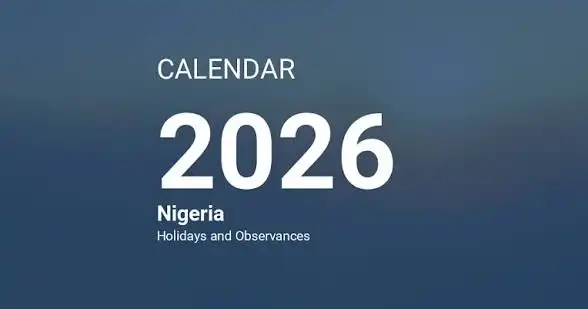
Nigeria’s public calendar continues to guide national activities and observances, with particular attention on upcoming religious holidays such as Eid al Fitr. Government institutions, businesses, and communities are aligning schedules to accommodate celebrations, reflecting the country’s diverse cultural and religious landscape and the importance of coordinated planning across public and private sectors nationwide.
Officials note that public holidays play a significant role in shaping economic and social rhythms, influencing everything from banking operations to transportation services. During periods such as Eid al Fitr, adjustments are often made to ensure smooth transitions, including reduced working hours and special arrangements for essential services that must remain operational throughout the celebration period.
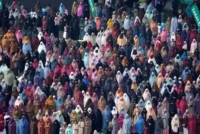
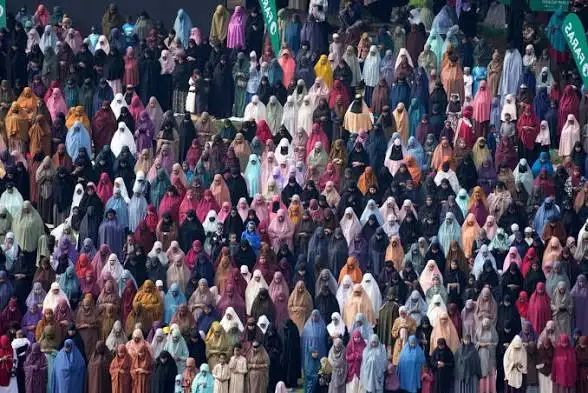
Across various states, preparations are underway as Muslim communities anticipate gatherings, prayers, and family activities associated with the holiday. Markets and commercial centers are experiencing increased activity as people purchase food, clothing, and gifts. These patterns highlight the economic impact of festive periods, with businesses benefiting from heightened consumer demand and increased circulation of goods.
The federal government typically announces official public holiday dates to provide clarity and allow institutions to plan accordingly. Educational institutions, corporate organizations, and public offices rely on these announcements to structure their operations. Clear communication is essential to minimize disruptions and ensure that citizens can observe holidays while maintaining access to critical services where necessary.
Security agencies are also involved in planning for major holidays, implementing measures to ensure public safety during large gatherings and increased travel. Authorities coordinate with local communities to manage traffic, monitor public spaces, and provide emergency response capabilities. These efforts aim to create a secure environment that allows citizens to celebrate without undue concern.
In addition to religious observances, Nigeria’s calendar includes national commemorations and civic events that reflect the country’s history and identity. These dates serve as opportunities for reflection and unity, bringing together diverse populations through shared recognition of significant milestones. Public awareness campaigns often accompany such observances to promote participation and understanding.
As the country approaches Eid al Fitr, the emphasis remains on coordination, celebration, and community engagement. The structured approach to public holidays underscores their importance in national life, balancing cultural expression with operational continuity. Observers note that effective planning ensures that both festive activities and essential services can coexist harmoniously across the nation.







Leave a comment