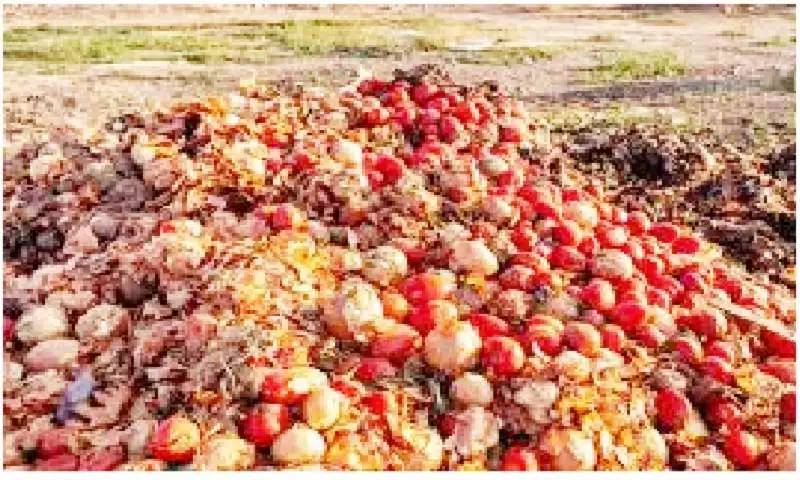
The Organisation for Technology Advancement of Cold Chain in West Africa has disclosed that Nigeria recorded between N3.5 trillion and N5 trillion in post harvest losses in 2025 due to inadequate cold storage and weak logistics systems.
The President of OTACCWA, Mr Alexander Isong, made the disclosure in an interview with the News Agency of Nigeria in Lagos. According to him, the country lost an estimated 30 to 40 million metric tonnes of food across major agricultural value chains within the year.
Isong explained that the losses affected key commodities such as tomatoes, vegetables, fruits, dairy, meat, fish and root crops. In monetary terms, he said, the food wastage translates to approximately N3.5 trillion to N5 trillion in economic losses.
He noted that the figures represent food that had already been cultivated, harvested and transported, meaning the country is effectively losing Gross Domestic Product that had already been created. Farmers had invested heavily in land preparation, seedlings, fertiliser, labour, irrigation and transportation before the produce was lost due to poor cold storage and inefficient logistics.
Describing post harvest loss as more than just an agricultural problem, Isong said it is a critical infrastructure and economic challenge. He warned that without certified cold chain systems, Nigeria would continue to face rising food inflation, declining farmer incomes and limited export competitiveness.
Isong, who also serves as Country Director Nigeria for the World Agriculture Forum, stressed the urgent need for national investment in refrigerated transport, aggregation centres and modular cold storage facilities.
He described cold chain infrastructure as the missing link between agricultural production and economic prosperity, adding that without sufficient investment, the growth and full potential of the sector will remain severely constrained.












Leave a comment