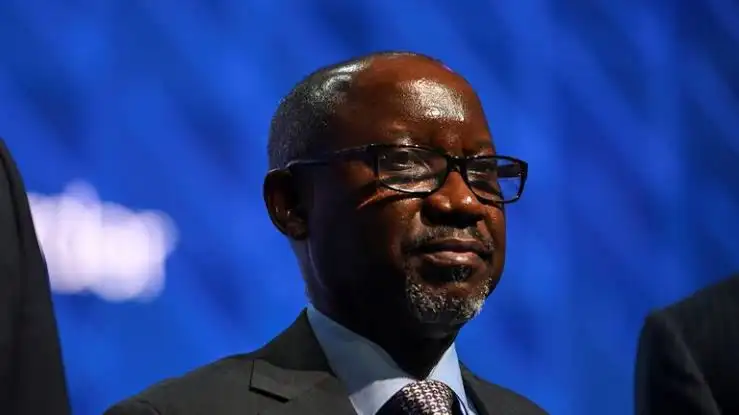
Nigeria’s Federal Government has approved the payment of 185 billion naira (around $128 million) to settle long-standing debts to gas producers supplying power generators. This decision, announced by Minister of State for Petroleum Resources (Gas), Dr. Ekperikpe Ekpo, aims to boost investor confidence in the energy sector and enhance electricity supply nationwide.
Accumulated debts have previously strained cash flow and hindered gas industry operations, resulting in reduced gas supplies for power generation. Clearing these arrears is intended to rejuvenate the gas sector and ilize electricity output.
The settlement will occur through a “royalty-offset arrangement,” part of a larger strategy to tackle financial challenges in Nigeria’s power sector. Earlier this year, President Bola Tinubu approved a NGN4 trillion ($2.6 billion) bond program to clear verified debts owed to power generation companies and gas suppliers.
This bond issuance, supported by the Ministry of Finance and the Central Bank of Nigeria, seeks to restore liquidity in the power sector and improve the reliability of gas supply to the national grid.
These initiatives are anticipated to alleviate financial pressures on power generation companies (GenCos) and gas suppliers, thereby strengthening their balance sheets and attracting new investments. By ensuring timely payments to gas suppliers, the government aims to support plant maintenance, boost generation capacity, and ultimately reduce outages.
This approach is expected to lead to improved productivity and a more le power supply across Nigeria, addressing critical energy needs for economic growth and development.









I dont think throwing money at the problem will solve Nigerias power issues. They need a more sustainable solution.
Wow, is this payment really going to fix Nigerias power supply issues? Or is it just throwing money at a bigger problem?
Is this payment really going to enhance power supply for the people, or is it just another empty promise? Lets discuss.
Is this payment really going to enhance power supply, or will it just line the pockets of corrupt officials? Skeptical 🤔🤷♂️