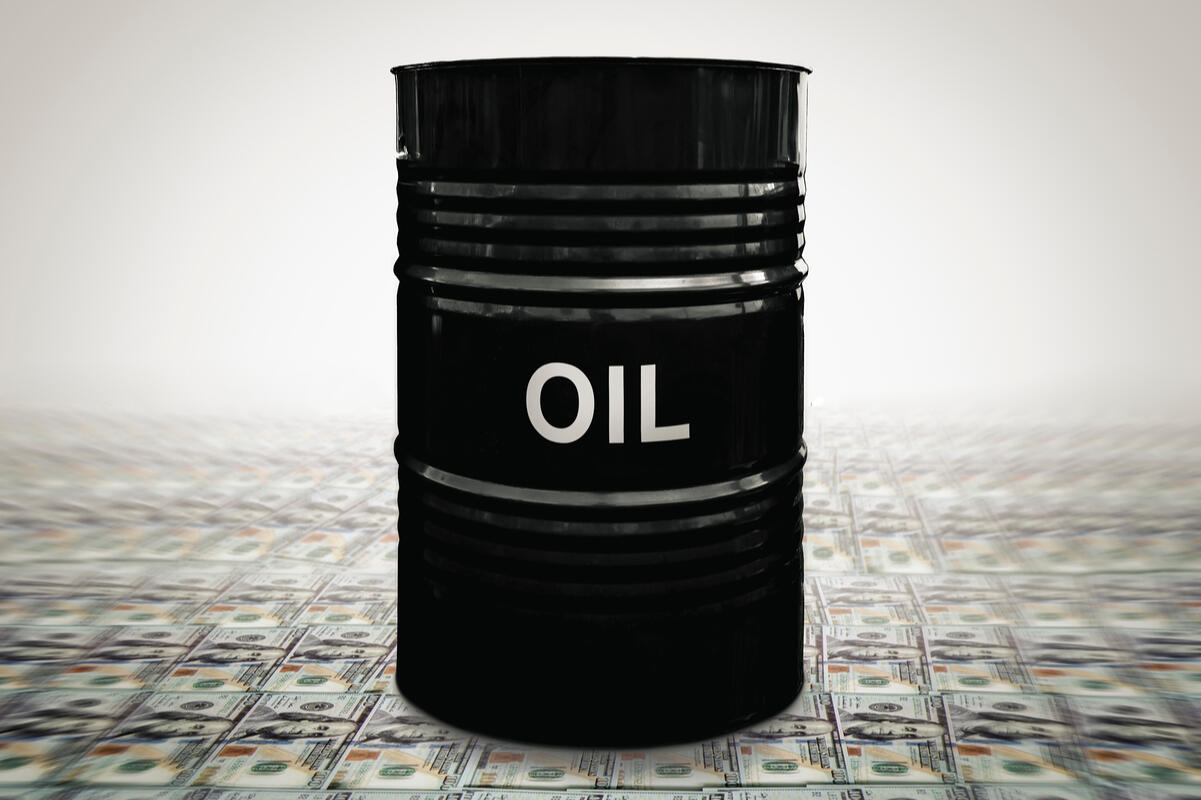
Nigeria’s economy is seeing a boost as Brent crude trades around $69 per barrel, surpassing the 2026 federal budget benchmark of $64.8. Analysts say a disruption in the Strait of Hormuz could push prices to $91 or even $150 per barrel, further supporting the country’s fiscal revenues, foreign reserves, and exce rate ility.
The naira has strengthened alongside rising oil prices, trading below N1,400 per dollar on the official market for the first time in over a year, reaching N1,396.99. In the parallel market, it strengthened to N1,454 per dollar, reflecting improved investor confidence and ility across the currency market.
Central Bank of Nigeria Governor Olayemi Cardoso highlighted that monetary reforms combined with fiscal discipline have enhanced macroeconomic resilience. He noted stronger foreign exce inflows, rising no -oil exports, and robust diaspora remittances as key factors underpinning the currency gains.
Nigeria’s external reserves reached $46.11 billion in January 2026, the highest in nearly eight years, providing more than ten months of import cover. Analysts attribute this to effective forex management, capital inflows, and structural economic reforms, including subsidy removal, bank recapitalisation, and tax optimisation measures.
The Nigerian National Petroleum Company Limited (NNPC Ltd) reported revenue of N5.08 trillion in October 2025, up from N4.27 trillion in September. Gas sales rose to 4,713 million standard cubic feet per day, while crude production averaged 1.58 million barrels per day.
Economists say sustained oil revenues, disciplined fiscal and monetary coordination, and structural reforms are positioning Nigeria for stronger economic growth, exce rate ility, and improved investor confidence in 2026.











Leave a comment