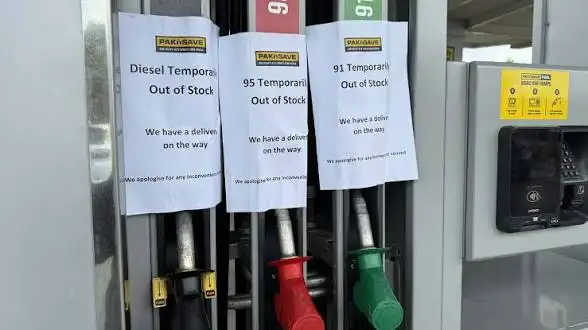
New Zealand has announced an update to its national fuel strategy as authorities respond to rising global supply concerns linked to geopolitical tensions and market fluctuations. Officials say the revised approach aims to strengthen energy resilience, secure supply chains, and ensure adequate reserves for domestic consumption during periods of uncertainty affecting international oil availability across key sectors today.
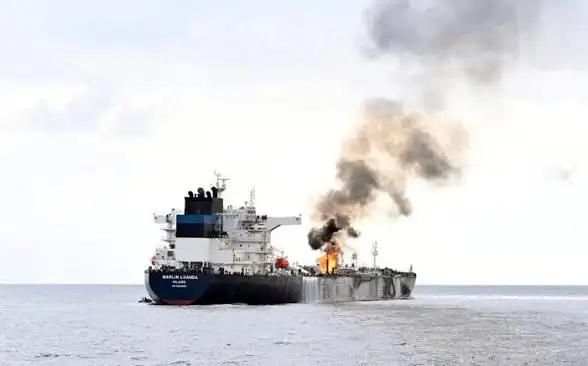
The government indicated that recent disruptions in global energy flows have highlighted vulnerabilities in existing systems, prompting a reassessment of storage capacity and import diversification. Energy officials emphasized the importance of maintaining strategic reserves that can buffer sudden supply shocks while supporting critical infrastructure, transportation networks, and essential services throughout the country during prolonged periods of constrained supply.
According to policymakers, the updated framework includes measures to expand fuel storage facilities, improve distribution logistics, and encourage partnerships with private sector participants. Authorities are also exploring alternative energy sources to reduce reliance on imported fuels, aiming to create a more balanced and adaptable system that can respond effectively to shifting global conditions and domestic demand pressures overall.
Industry analysts note that New Zealand’s geographic isolation makes energy security particularly significant, as supply disruptions can take longer to resolve compared with larger markets. The revised strategy is expected to address these challenges by strengthening coordination between government agencies and industry stakeholders, ensuring timely decision making and efficient allocation of resources during supply constraints across all sectors.
Officials also highlighted the role of international cooperation in maintaining le fuel access, noting that partnerships with regional allies can provide additional flexibility during times of disruption. The government plans to engage in ongoing dialogue with key trading partners to secure long term agreements that support consistent supply while mitigating the risks associated with global market volatility today.
Economic experts suggest that the updated fuel strategy could help cushion the impact of fluctuating oil prices on consumers and businesses. By improving reserve management and supply chain efficiency, authorities aim to limit sudden price increases and reduce uncertainty for industries that rely heavily on fuel, including transportation, agriculture, and manufacturing sectors across the national economy at present.
While the impact of the revised policy will unfold over time, officials remain confident that proactive planning will enhance national preparedness. The strategy reflects a broader effort to navigate an increasingly complex energy landscape, where geopolitical developments and environmental considerations continue to shape decisions about fuel security and long term sustainability for New Zealand’s future growth and resilience.












Leave a comment