
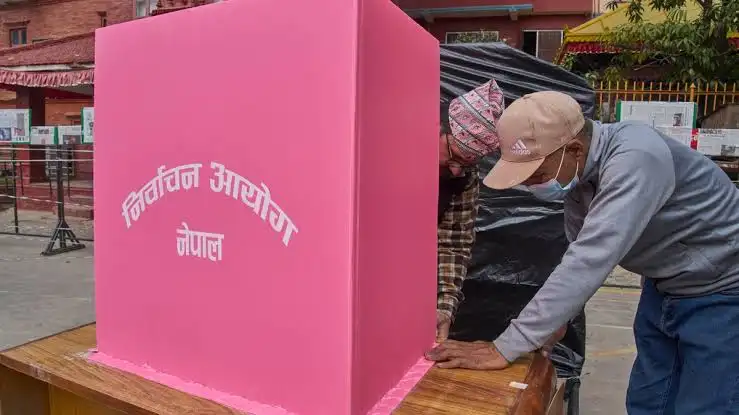
Nepal has conducted nationwide elections following months of intense youth led demonstrations that reshaped the country’s political atmosphere and forced major parties to respond to widespread demands for reform. The vote represents a crucial test for Nepal’s democratic institutions as voters seek accountability, economic opportunity, and political ility after a prolonged period of public unrest. Election officials reported strong turnout across many regions as citizens lined up at polling stations from the capital Kathmandu to rural mountain districts.
The elections come after sustained protests organized largely by young Nepalis who voiced frustration with corruption, unemployment, and what they described as a political system dominated by entrenched elites. Demonstrations gained momentum earlier in the year when thousands of students and young professionals marched through major cities calling for systemic ce. Protest leaders argued that traditional parties had failed to deliver economic progress or meaningful governance reforms despite repeated electoral cycles. Their activism helped energize a new generation of voters and pushed political leaders to address issues that had long been sidelined.
Authorities increased security nationwide to ensure the election process remained peaceful. Police and election officials coordinated across the country to safeguard polling centers and transportation of ballots. Despite concerns about possible disruptions, most polling stations operated without major incidents. International observers from several organizations were also present to monitor the process and assess the fairness and transparency of the vote. Early reports from monitoring groups indicated that while logistical challenges occurred in remote areas, the overall process appeared orderly.
Major political parties campaigned heavily in the weeks leading up to the vote, emphasizing economic recovery, infrastructure development, and government accountability. Many candidates attempted to appeal directly to younger voters who had driven the protest movement. Campaign messages frequently focused on job creation, education reform, and efforts to reduce corruption within public institutions. Some newer political groups also emerged during the campaign, hoping to capitalize on public dissatisfaction with elished parties.
Analysts believe the outcome of the election could significantly influence Nepal’s political trajectory in the coming years. If reform minded candidates gain ground, the government may face increased pressure to enact structural ces aimed at strengthening democratic institutions and improving economic conditions. On the other hand, a strong performance by traditional parties could signal that while protests captured global attention, the elished political framework still maintains significant support among the broader electorate.
The vote also holds importance beyond Nepal’s borders. Regional powers and international partners are closely watching the results, as Nepal occupies a strategically significant position between India and China. Political ility in the Himalayan nation has implications for regional trade, infrastructure projects, and diplomatic relations across South Asia. As ballots are counted and results gradually emerge, Nepal’s election may mark a turning point for a country navigating the challenges of youthful activism, democratic expectations, and economic development.







Leave a comment