The Nigeria Centre for Disease Control (NCDC) has sounded an alarm over a rising number of Lassa fever cases among healthcare workers, reporting two deaths and 15 confirmed infections so far. The outbreak comes as Nigeria grapples with another resurgence of the zoonotic disease.
In an advisory released on Monday, the NCDC expressed condolences to the families of affected health workers. “Recent surveillance data indicate a concerning increase in Lassa fever infections among healthcare workers, with 15 confirmed cases and 2 deaths recorded as of Epidemiological Week 7,” the agency said.
The infections have been reported across several states, including high-burden areas such as Ondo, Edo, Bauchi, Taraba, Ebonyi, and Benue. Within these states, specific local government areas have been identified as hotspots.
According to the NCDC, investigations into healthcare worker infections reveal gaps in infection prevention and control (IPC) measures, with missed exposure risks in some departments. The agency stressed that these lapses have contributed to preventable fatalities.
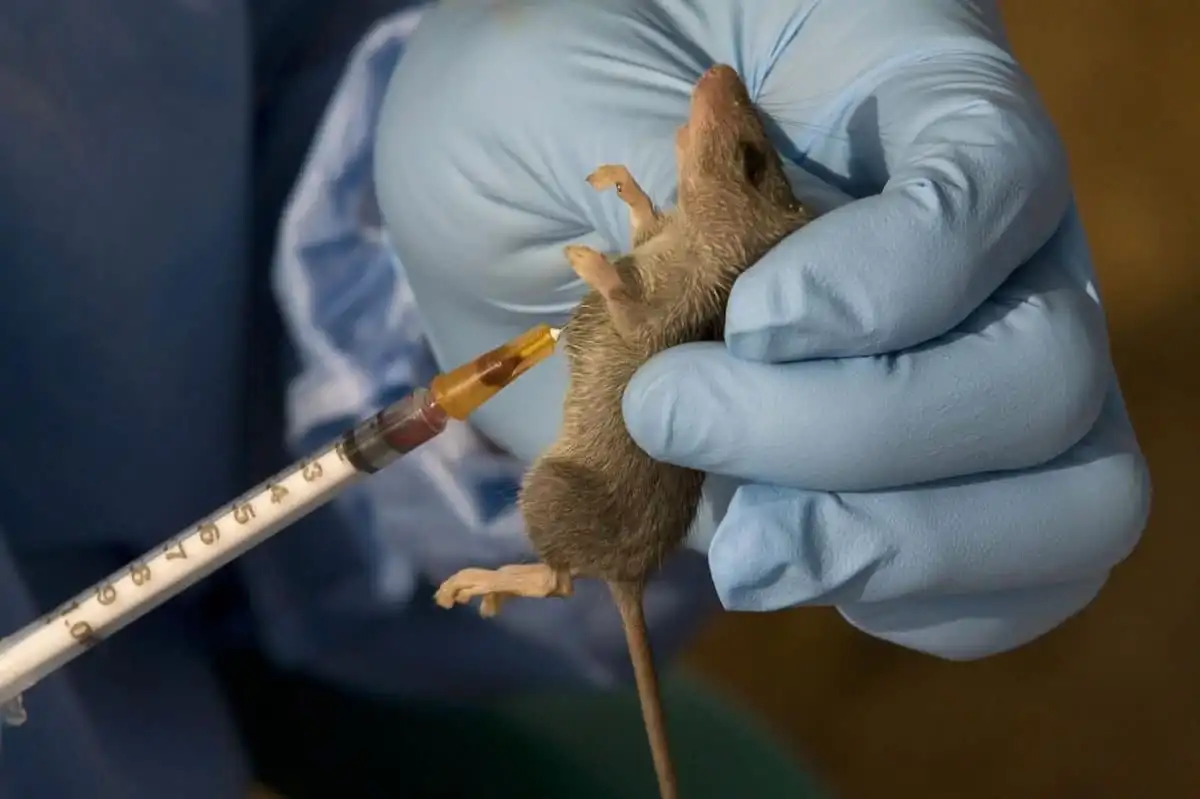
Lassa fever is an acute viral illness caused by the Lassa virus, a member of the arenavirus family, and is spread primarily by the Mastomys rat species. Humans are typically infected through exposure to food or household items contaminated with urine or feces from infected rodents. The disease is endemic in Nigeria and several other West African countries, including Benin, Ghana, Guinea, Liberia, Mali, Sierra Leone, and Togo.
The World Health Organization notes that person-to-person transmission and laboratory-acquired infections can occur, particularly in healthcare settings where IPC measures are inadequate. The NCDC reiterated its commitment to investigating every healthcare worker infection to identify drivers of transmission and prevent further cases.
Healthcare authorities continue to urge strict adherence to IPC protocols to protect health workers and prevent a wider outbreak.













Leave a comment