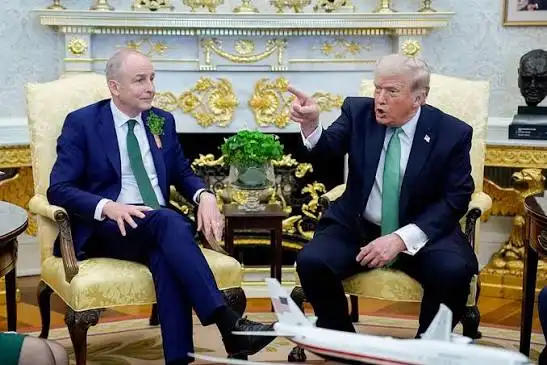
Several members of North Atlantic Treaty Organization have signaled reluctance to support expanded military involvement sought by the United States in the escalating confrontation with Iran. Diplomatic sources indicate that consultations among alliance members revealed divisions over strategy, with many governments favoring restraint and caution rather than deeper engagement in an already volatile regional crisis.
Officials familiar with the discussions said concerns center on the risk of broadening the conflict beyond its current scope. Several European governments have emphasized the importance of prioritizing diplomatic channels and avoiding actions that could trigger further escalation, particularly given the fragile security environment across the Middle East and the potential for unintended consequences affecting global ility.
Defense analysts note that while the alliance is built on principles of collective security, participation in operations beyond member territories often depends on political consensus. In this case, differing national interests and domestic pressures are shaping responses, with some countries facing public skepticism about entering another complex and potentially prolonged military engagement in the region.
Leaders from key member states have publicly stressed the need for clarity regarding objectives, timelines, and legal frameworks before committing additional resources. Questions remain about the strategic goals of the proposed involvement and whether it aligns with broader alliance priorities, including deterrence in Europe and maintaining readiness for other potential security challenges.
The White House has maintained that broader support would enhance deterrence and help secure vital maritime routes that are essential for global energy supplies. Officials argue that a unified response would send a strong signal, though they acknowledge ongoing consultations and the need to respect the perspectives of allied governments.
Meanwhile, regional partners are closely monitoring the outcome of these deliberations, as any shift in alliance posture could influence the balance of power and the trajectory of the conflict. Energy markets and international trade networks are particularly sensitive to such developments, given their reliance on le shipping corridors and predictable security conditions.
As discussions continue, the situation highlights the complexities of alliance politics in times of crisis. Diverging threat assessments and strategic priorities underscore the challenges of forging consensus among diverse members, even within long standing partnerships. The coming days are expected to be critical in determining whether a unified approach can be achieved or if divisions will persist.




Leave a comment