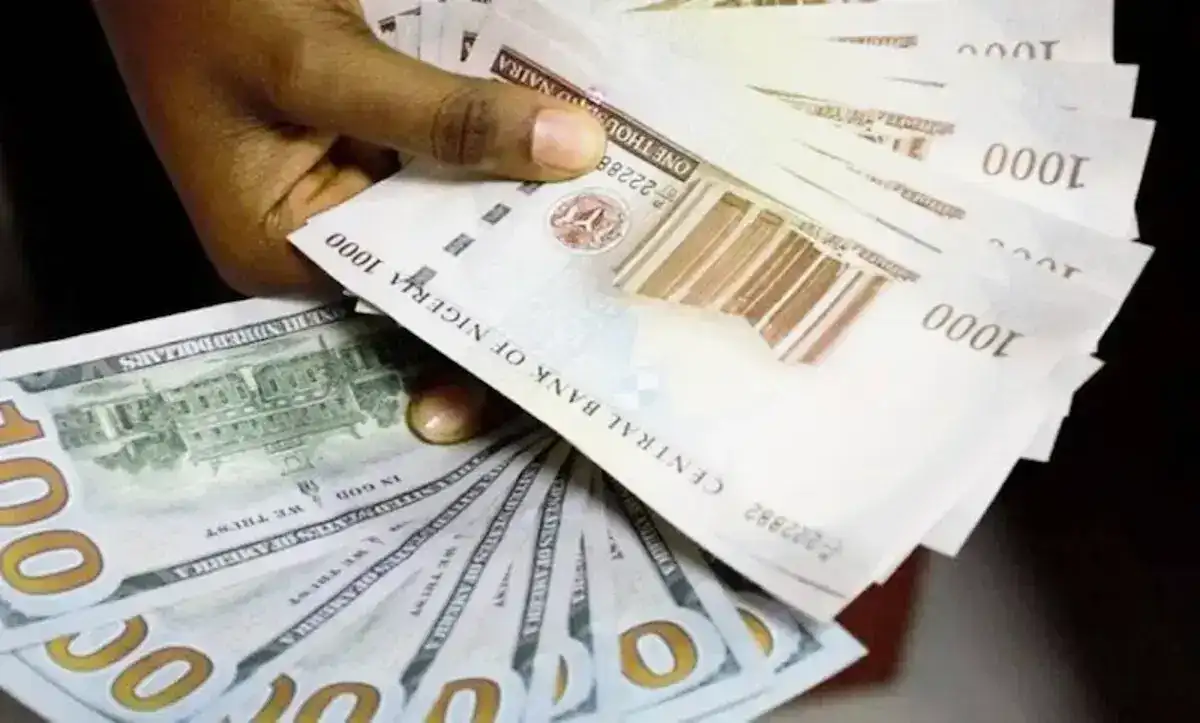
Despite the recent rebound of the naira and economic reforms under President Bola Tinubu’s administration, millions of Nigerians may not feel meaningful improvements in their living standards without urgent fiscal discipline, inclusive spending, and private-sector reforms, experts warn.
Chief Dele Kelvin Oye, chairman of the Alliance for Economic Research and Ethics, AERE, stressed that while the naira has strengthened to around ₦1,340/$ at the parallel market, currency appreciation alone cannot lower prices, create jobs, or reduce poverty. He noted that fiscal dominance, high deficits, and inefficient government spending remain major obstacles to translating macroeconomic stability into tangible benefits.
Oye highlighted the role of the Dangote Refinery in reducing fuel imports, saving foreign exchange, and boosting local production of key commodities, but emphasized that entrepreneurship and private-sector growth, not policy alone, drive real value. He also warned that appreciation could hurt non-oil exporters like cocoa farmers, exacerbate urban-rural inequality, and limit the circulation of wealth to major cities.
The expert urged the federal government to shift spending from consumption to revenue-yielding infrastructure, improve trade facilitation, and expand social programs like cash transfers, health, education, and vocational training to ensure reforms reach ordinary Nigerians.
While headline inflation eased slightly to 15.10 percent in January 2026, food prices remain high, and poverty affects an estimated 139 million Nigerians, underscoring the urgent need for reforms to be inclusive and impactful.













Leave a comment