
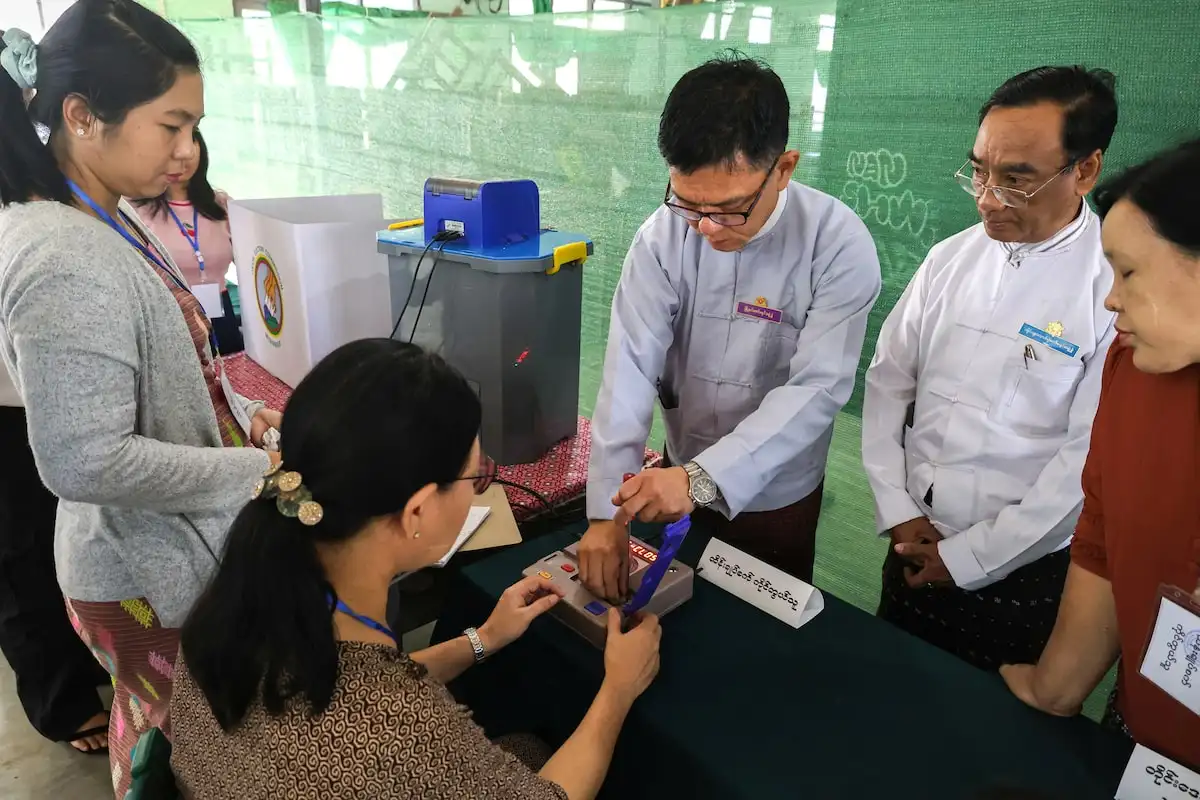
Myanmar held its first general election since the 2021 military coup on December 28, 2025. The election is conducted in three phases, beginning with voting in 102 of the country’s 330 townships, including major cities like Yangon and Naypyitaw. Subsequent phases are set for January 11 and 25, 2026.
The military junta, which has ruled since seizing power nearly five years ago, portrays the election as a return to multiparty democracy. However, critics argue that the election lacks fairness and freedom, as prominent opposition parties, including Aung San Suu Kyi’s National League for Democracy (NLD), have been dissolved or banned from participating. Many opposition groups are boycotting the elections due to ongoing political repression and an unlevel playing field.
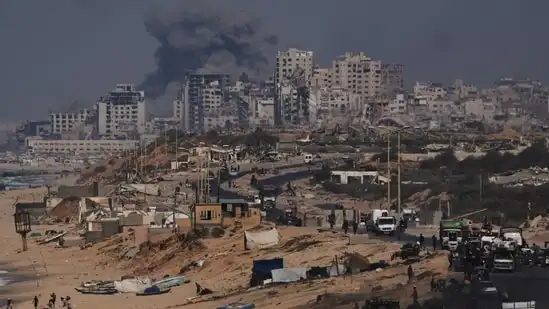
The election occurs amid a civil war that erupted following the military’s takeover, leading to over 3.6 million internally displaced people and raising concerns about voter safety. International observers have expressed doubt about the election’s credibility, with the United Nations and human rights organizations criticizing the military’s control and suppression of dissent. The UN’s Special Rapporteur on Myanmar described the election as a “theater of the absurd,” suggesting it is unlikely to resolve the political crisis or end the ongoing conflict.
Despite these challenges, the military pushes ahead with the election to project a civilian facade while maintaining its hold on power. The Union Solidarity and Development Party (USDP), a pro-military party, is anticipated to dominate, further consolidating military influence in Myanmar’s political landscape. The international community continues to monitor the situation, hoping for a peaceful and democratic resolution to the ongoing crisis.




Do you think Myanmar can truly achieve democracy through this election, or are we just witnessing a facade of progress? #FoodForThought 🤔
I find it hard to believe that Myanmar could hold a fair election amid such chaos. What do you all think?
I cant believe theyre holding elections amidst all this turmoil. Is this a step towards ility or just adding fuel to the fire?
Do you think Myanmars first election post-coup will bring ility or escalate conflict? Share your thoughts! 🤔🇲🇲 #MyanmarElection #CivilConflictWorries
Do you think Myanmars election will bring ility or more conflict? Its like a never-ending rollercoaster ride, tbh.
I cant believe the nerve of the military in Myanmar. How can they claim to have a fair election after all the chaos theyve caused?