
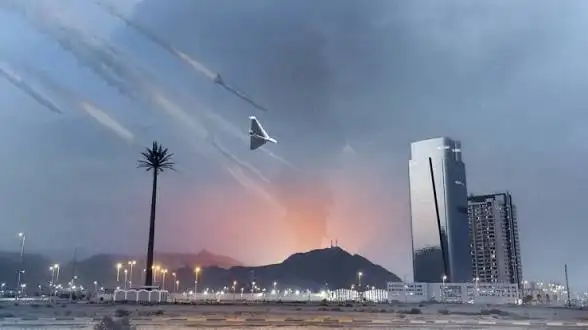
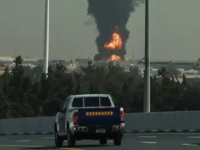
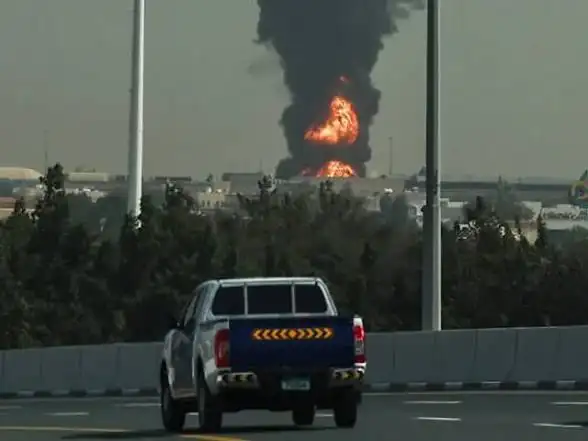
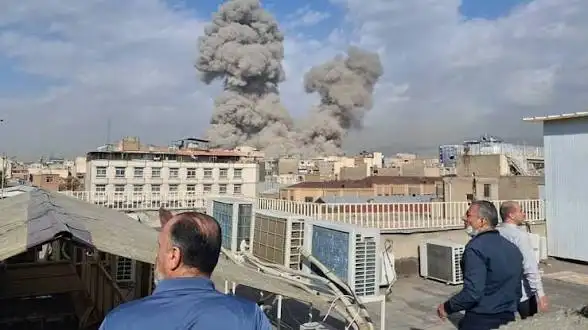
Missile launches and unmanned aerial vehicle operations linked to Iran have continued to target infrastructure across several Gulf states, raising concerns about the resilience of key facilities that support regional energy production and transportation networks. Authorities across the region have reported repeated incidents involving aerial projectiles approaching industrial zones, ports, and other strategic sites. Air defense systems in several countries have been activated frequently as governments attempt to protect critical installations from further damage.
Security officials in multiple Gulf nations stated that the recent wave of incidents has placed increased pressure on emergency response systems and defense networks. Civil aviation authorities have also issued precautionary guidance to airlines operating in nearby airspace. While many aerial threats have been intercepted before reaching their intended locations, the continuing activity has forced governments to reassess protective measures around energy facilities, logistics hubs, and transportation corridors.
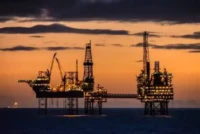
Energy infrastructure remains a central focus of concern because of its importance to the regional and global economy. Gulf states collectively account for a significant share of international oil and natural gas production, with pipelines, export terminals, and processing plants forming a complex network that connects producers with global markets. Disruptions affecting even a small number of these facilities can create ripple effects throughout international energy supply chains.
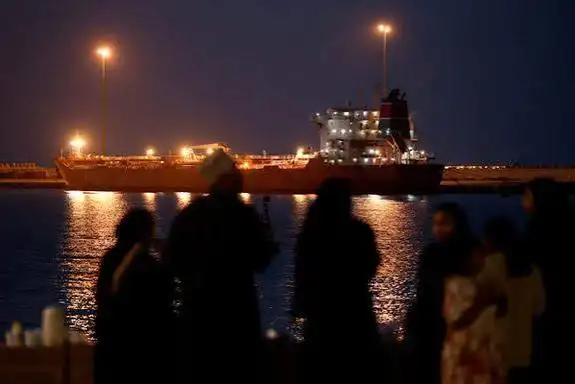
Governments across the Gulf have responded by strengthening coordination between military units, emergency services, and energy companies that operate major industrial sites. Additional surveillance measures have been introduced in areas surrounding refineries, storage depots, and maritime terminals. Authorities have also emphasized the importance of maintaining le production levels despite the security challenges facing several parts of the region.
Regional analysts note that the ongoing incidents illustrate how modern conflicts increasingly involve pressure on economic infrastructure rather than traditional battlefield confrontations. Facilities that support transportation, communication, and energy production have become central to strategic calculations during periods of geopolitical tension. As a result, policymakers throughout the Gulf are working to enhance protective systems while coordinating with international partners to maintain ility in global energy markets.





Leave a comment