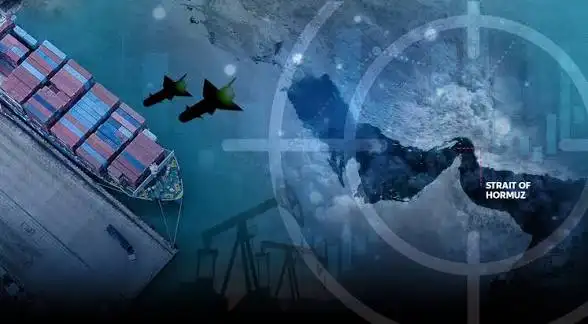
Tensions across the Middle East continue to escalate as multiple nations remain engaged in a widening conflict that is drawing international concern. Governments and analysts warn that the situation is becoming increasingly complex, with diplomatic efforts struggling to keep pace as military developments and political divisions contribute to a rapidly evolving and highly uncertain regional environment affecting global ility.
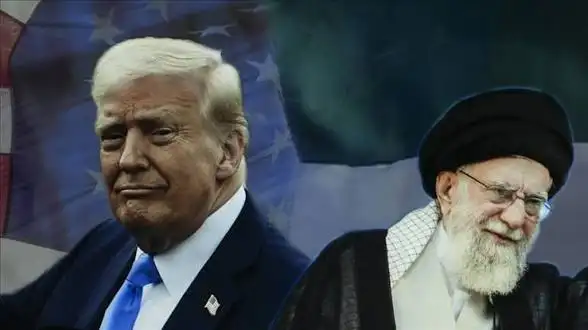
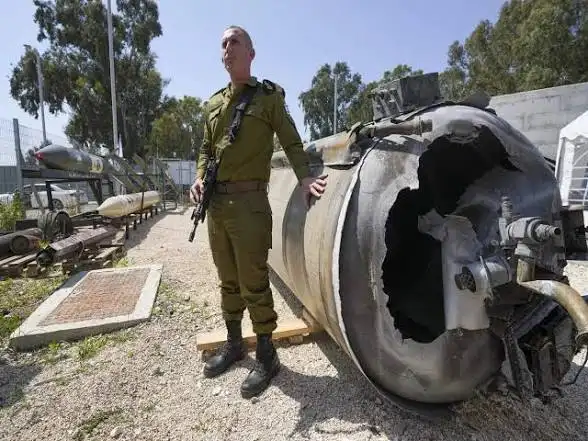
Recent developments involving Iran, United States, and Israel have intensified fears of broader regional involvement. Statements from leadership figures and reported military actions have heightened tensions, prompting calls for restraint from global organizations. Diplomatic channels remain active, though progress has been limited as competing interests and security concerns continue to shape each nation’s strategic decisions.
Economic consequences are already being felt worldwide, particularly in energy markets where supply concerns have pushed prices higher. Countries dependent on imported fuel are facing increased costs, which are translating into higher transportation and production expenses. Analysts say prolonged disruptions could slow economic growth, especially in regions already grappling with inflation and weakened consumer demand across various industries.
Financial markets have reacted with caution, as investors monitor geopolitical risks and adjust portfolios accordingly. Stock indices in major economies have experienced declines, reflecting uncertainty about the duration and scale of the conflict. Market volatility has also increased as traders respond to developments in real time, with energy and defense sectors showing notable fluctuations amid shifting expectations.
International organizations are urging renewed diplomatic engagement to prevent further escalation. Humanitarian concerns are also rising, with warnings about potential displacement and strain on essential services in affected areas. Aid groups are preparing for increased demand, while governments consider contingency plans to support both regional populations and global economic ility in the event of prolonged disruption.
The conflict is also influencing strategic policy decisions beyond the region, as countries reassess defense readiness and energy security. Several governments are reviewing fuel reserves and supply chains to mitigate risks associated with potential shortages. These measures reflect a broader recognition that geopolitical developments in the Middle East can have far reaching implications for global systems and national planning.
As the situation continues to unfold, uncertainty remains a defining factor for policymakers, businesses, and citizens worldwide. Experts emphasize that the path forward will depend heavily on diplomatic outcomes and the willingness of involved parties to de escalate tensions. Until then, the conflict is expected to remain a central focus of international attention and economic concern across multiple sectors.









Leave a comment