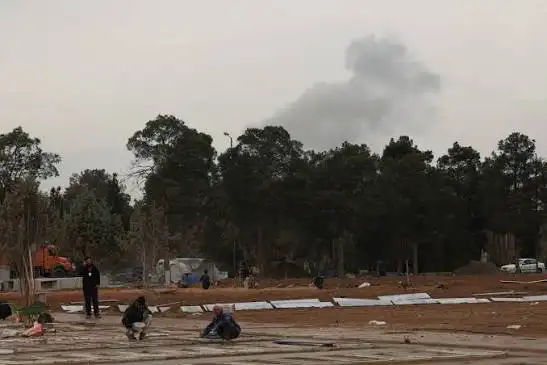
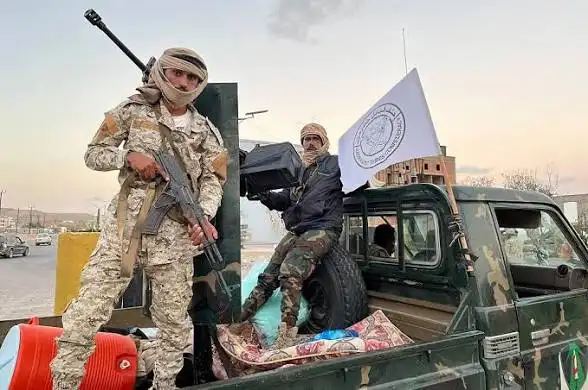
Regional hostilities moved into a new phase as sustained aerial operations continued across multiple strategic areas, according to officials and monitoring groups. Authorities reported expanded operational tempo, shifting target priorities, and heightened airspace activity. Governments involved signaled resolve while urging civilian precautions, reflecting an environment shaped by rapid developments, layered messaging, and persistent diplomatic undercurrents regionwide security dynamics.
Defense sources described coordinated flight patterns, surveillance integration, and precision planning intended to maintain pressure while limiting unintended harm. Command structures synchronized intelligence feeds with operational units, enabling responsive adjustments. Officials emphasized compliance with international law and rules of engagement as planners evaluated evolving scenarios, partner consultations, and proportional response options under complex regional security conditions and oversight.
Diplomatic channels remained active alongside military activity, with intermediaries facilitating messages between capitals. Public statements balanced firmness and openness, aiming to deter escalation while preserving negotiation pathways. Analysts noted that communication strategies sought to reassure allies, manage domestic expectations, and reduce risks of miscalculation during sensitive operational periods across interconnected theaters and policy arenas worldwide today and forward.
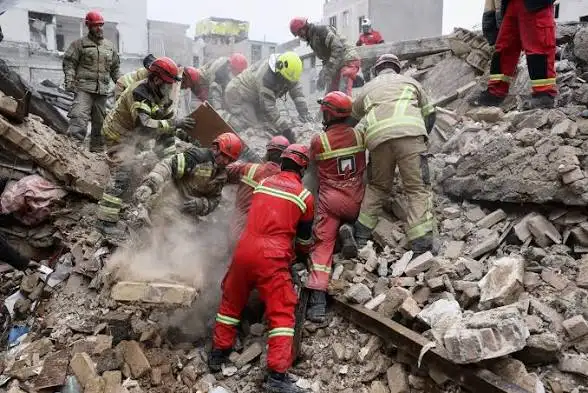
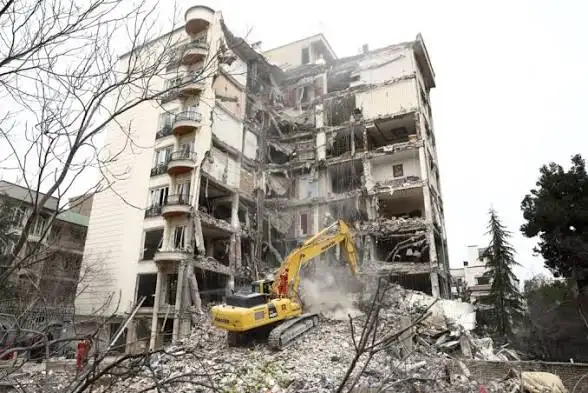
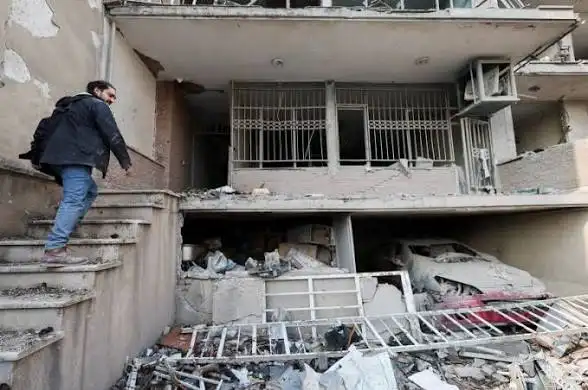
Humanitarian organizations urged protection of civilians and essential services as assessments continued. Local authorities coordinated shelter availability, medical readiness, and infrastructure inspections in affected communities. Aid groups prepared contingency stocks and outreach programs, emphasizing access corridors and safety information for residents navigating disruptions to transport, utilities, and communications amid ongoing operations and resource coordination efforts by agencies jointly.
Energy markets and shipping stakeholders monitored developments for potential supply implications. Trade associations reviewed routing alternatives and insurance considerations as risk models updated. Economists said policy signals and operational scope could influence pricing expectations, investment planning, and logistics decisions across interconnected commercial networks spanning regional and global corridors with analysts highlighting resilience and diversification strategies for stakeholders worldwide.
Legislative bos in several countries received briefings outlining scenario planning and oversight frameworks. Representatives called for transparency, proportionality, and adherence to legal standards. Defense committees examined authorization pathways and budget flexibility to ensure readiness. Observers viewed cross party consultations as signals of institutional coordination during complex security deliberations in rapidly evolving regional and international contexts and policy cycles.
Officials said future decisions will depend on field assessments, partner input, and diplomatic traction. Strategic messaging aims to project preparedness without foreclosing dialogue opportunities. Analysts expect continued monitoring of operational patterns and political signals as stakeholders evaluate pathways that could reduce tensions and support durable arrangements under shifting regional conditions through sustained engagement and multilateral coordination efforts ahead.






Leave a comment