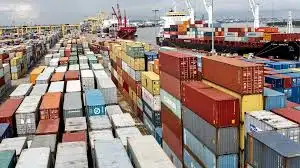
Agents in Nigeria’s maritime sector, including members of the African Association of Professional Freight Forwarders and Logistics of Nigeria (AAPFFLN) and the Association of Nigeria Licensed Customs Agents (ANLCA), Western Zone, shut down operations at the Apapa office of the Mediterranean Shipping Company (MSC) over a recent increase in freight charges. The agents argued that the cumulative burden of rising port-related costs would ultimately drive inflation in an already fragile economy.
The protest began on Monday, with agents demanding that the shipping company revert to its previous charges. National President of AAPFFLN, Frank Ogunojemite, blamed the Nigerian Shippers’ Council (NSC) for failing to regulate the sector and warned that the council’s offices could face similar shutdowns if the issue is not addressed. He stressed that the shipping rate hike has worsened the cost of imports, affecting consumers nationwide.
The Sea Empowerment Research Centre (SEREC) also weighed in, emphasizing that while stakeholders’ grievances are legitimate, industrial actions must comply with international best practices. SEREC highlighted that structural imbalances within Nigeria’s port cost regime persist due to ineffective regulation and a lack of structured stakeholder engagement.
Other maritime operators, including Thomas Alor of NAGAFF, criticized MSC’s poor container refund system, which they claim causes significant operational delays, making the freight increase unjustifiable. Femi Anifowose, ANLCA Coordinator, said that unchecked shipping fees and port inefficiencies continue to undermine trade facilitation and worsen inflationary pressures in the import-dependent economy.
In response, MSC Africa’s Regional Controller, Jesse Chege, explained that the new charges were approved by the NSC in December 2025 after two years of deliberation. A source at the NSC confirmed that the council plans to engage stakeholders soon. The standoff underscores the urgent need for stronger regulation, transparent pricing, and collaboration between shipping companies, regulators, and freight operators to ensure sustainable trade and economic stability in Nigeria.











Do you think NSC should be held accountable for the freight hike? Lets discuss! #MaritimeAgents #ProtestMSC #Accountability
I think the maritime agents have a valid point calling for accountability. NSC should address the freight hike issue ASAP!
I think its important for maritime agents to hold NSC accountable, but are they considering all factors behind the freight hike? Lets discuss!
Should we support the maritime agents protest or is there more to the story? Lets discuss! #NSCaccountability #FreightHike
Shouldnt NSC be more transparent about their decisions? It affects us all! 🤔 #AccountabilityMatters #MaritimeAgentsProtest
I understand the frustration with the freight hike, but shouldnt the focus be on finding solutions rather than just blaming NSC?