
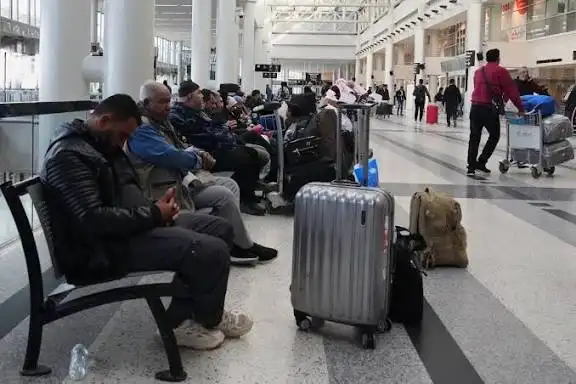
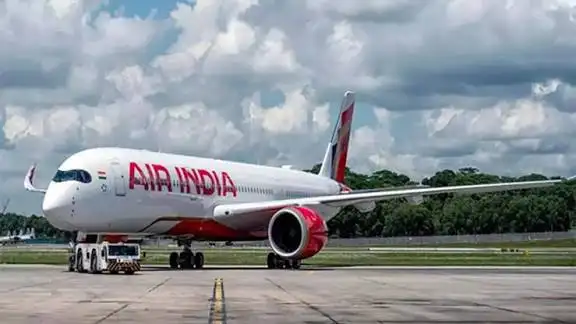
Global airlines cancelled hundreds of flights on 1 March in response to ongoing airspace closures across the Middle East, highlighting the growing disruption to international travel caused by escalating regional tensions. The closures affect routes connecting Europe, Asia, North America, and the Gulf, forcing carriers to adjust schedules and reroute aircraft to avoid conflict zones.
Authorities reported that airspace over Iran, Iraq, Kuwait, Bahrain, the United Arab Emirates, and Qatar remains largely restricted. Commercial aircraft have been directed to fly alternative corridors, resulting in longer travel times, increased fuel consumption, and logistical challenges for airlines managing large fleets. Airport operators across the region coordinated closely with national aviation authorities to manage the flow of traffic and ensure passenger safety.
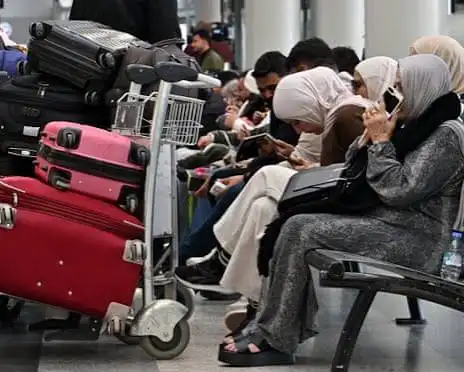
The cancellations represent one of the most significant disruptions to global aviation in recent months. Travelers faced delays, missed connections, and uncertainty as airlines scrambled to inform passengers and rebook flights. Aviation analysts noted that prolonged restrictions could have broader economic consequences, particularly for trade, business travel, and tourism in Gulf hubs that serve as key international transit points.
Airlines emphasized safety as the primary reason for cancellations, citing ongoing military activity, missile threats, and the presence of active defense systems in affected airspace. Passengers were advised to remain in close contact with airlines and to monitor official advisories for updates on schedule changes.
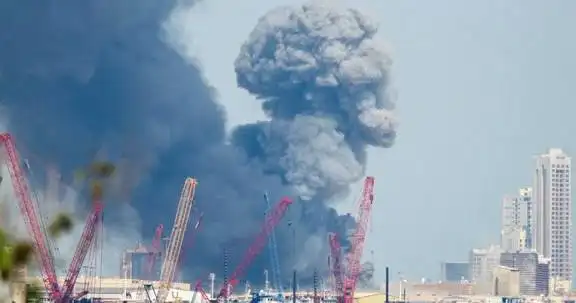
The closures follow recent escalations between Iran, Israel, and the United States, including missile and drone attacks targeting strategic installations across the Gulf. Industry observers warned that as long as hostilities continue, air travel in the region may face further disruptions, potentially extending the period of cancellations and reroutes.
Global aviation bodies are working with governments and airlines to monitor conditions and develop contingency plans for affected routes. Analysts expect that recovery of normal air traffic patterns will depend on a significant de-escalation of the conflict and the reopening of restricted airspace.






Leave a comment