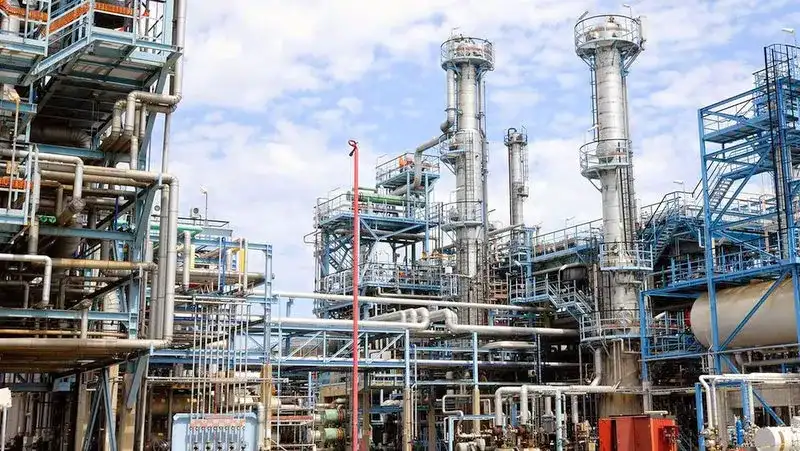
Domestic refineries have declared that they possess enough capacity to supply Nigeria’s fuel needs in 2026, surpassing the volume imported into the country in 2025. The Crude Oil Refiners Association of Nigeria (CORAN) said its members, including the Dangote Petroleum Refinery, can meet national demand without resorting to fuel importation if adequate crude oil feedstock is made available.
Data from the Nigerian Midstream and Downstream Petroleum Regulatory Authority (NMDPRA) showed that petrol importation dominated Nigeria’s fuel supply in 2025, accounting for 62.47 per cent of total Premium Motor Spirit consumption. Out of an estimated 18.97 billion litres consumed nationwide, oil marketers imported about 11.85 billion litres, while domestic refineries supplied 7.54 billion litres, representing 37.53 per cent.
Speaking on Tuesday, CORAN Publicity Secretary, Eche Idoko, said the figures do not reflect the true capacity of local refineries. He noted that refiners have consistently argued that their output is constrained by inadequate crude supply rather than limited refining capacity. According to him, the Dangote refinery alone currently produces about 50 million litres of petrol daily, close to Nigeria’s peak daily consumption of about 54 million litres.
Idoko explained that several modular refineries are operating far below capacity or shutting down intermittently due to crude shortages. He cited examples such as OPAC refinery, which operates at about 10 per cent of its installed capacity, and others like Aradel, Waltersmith and Edo refinery, which still struggle to access sufficient feedstock.
He expressed confidence that locally refined petroleum products would surpass imports in 2026 if crude supply challenges are resolved. Idoko also called on the Federal Government to elish a refinery infrastructure development fund, similar to incentives in the gas sector, to support expansion and attract financing.
Meanwhile, sources at the Dangote refinery said the facility has enough fuel to meet local demand while exporting to other countries. The refinery has also intensified operations, including night-time loading, to sustain daily supply above 50 million litres, reinforcing claims that Nigeria can significantly reduce or eliminate fuel imports with the right policy support.













Im not convinced Nigeria can end fuel imports by 2025. The infrastructure and political will seem lacking. What do you all think?
Im not convinced. Lets see if the refineries can really end fuel imports by 2025. Sounds too good to be true!
I know Nigeria has the potential, but can they really end fuel imports by 2025? It sounds promising, but lets see!
Im not convinced. There are too many variables at play. Lets not count our barrels before theyre refined.
Im not convinced. Nigerias history of fuel scarcity makes me skeptical of claims that they can end imports by 2025.
Im not convinced. Nigerias track record with fuel imports is shaky. Lets see if local refineries can really step up.