
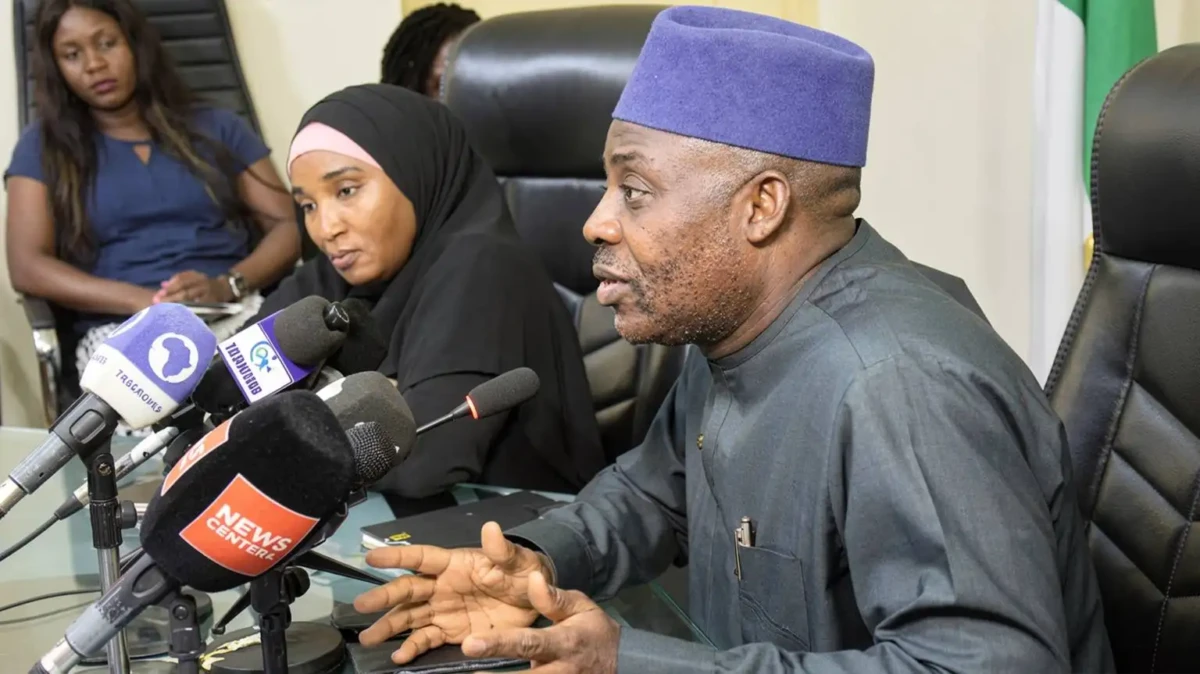
University lecturers across Nigeria have called on the Federal Government to implement a pension framework for retired professors similar to those granted to judges, permanent secretaries, and military generals, where beneficiaries receive pensions equivalent to their last salaries.
The call follows a recently signed agreement between the government and the Academic Staff Union of Universities (ASUU), which provides a 40% salary increase, improved academic allowances, and other welfare packages. Under the agreement, senior professors are entitled to a monthly allowance of N140,000, while associate professors will receive N70,000. Crucially, professors retiring at the statutory age of 70 are guaranteed a pension equivalent to their full annual salary.
Prof. Ben Ugheoke, Deputy Vice-Chancellor (Administration) at Edo State University, said professors are not the first to benefit from such arrangements and urged careful implementation of the new salary scale. “Judges do, permanent secretaries do. Now the questions are: how is the scheme implemented for such retirees? Can the model used for them be deployed for retired professors?” he asked.
Other lecturers, including Dr. Hashim Suleiman of Ahmadu Bello University and Dr. Oboromemi Weinoh of the National Open University of Nigeria, expressed confidence in the government’s capacity to sustain the pension provision. They argued that fears over funding are exaggerated, noting that similar arrangements exist for other senior public servants.
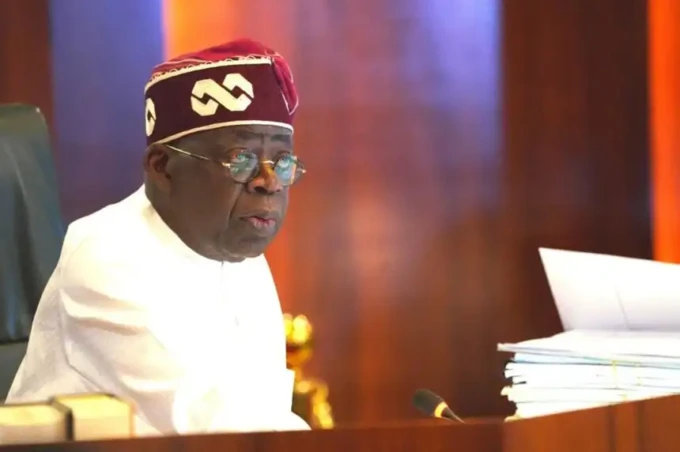
Dr. Nathan Emmanuel, also from the National Open University, praised President Bola Tinubu for prioritising lecturers’ welfare, emphasizing that the policy recognises the unique service demands of academics. He added that the relatively small number of beneficiaries and actuarial predictability make the arrangement manageable.
The agreement is expected to reduce strikes, ilise the university system, and provide long-term security for lecturers who have historically faced poor funding, delayed salaries, and weak retirement packages. Its success, however, depends on the government institutionalising a sustainable funding model.










Why should only professors get special pension models? What about other professions? Seems unfair to me.
Shouldnt retired professors get better pensions? Theyve spent their lives educating us, they deserve more! #SupportRetiredProfessors
Should retired professors get special pension benefits? What about other professions? Lets discuss this interesting proposal further.
I think its great that lecturers are advocating for better pension options. Retired professors deserve financial security after dedicating their lives to education.
I dont think the government should prioritize retired professors pensions. What about other essential workers? Lets discuss!
I dont know, maybe retired professors deserve a special pension model. Its like theyve devoted their whole lives to education, right? 🤔
Should the government prioritize pension for retired professors over other sectors? Lets discuss! 🤔 #RetirementSecurity #HigherEducation
Should retired professors get special pension treatment? Lets discuss the pros and cons! What do you think?
I think its about time retired professors get the recognition they deserve. Pension model adoption is long overdue! Lets support our educators.
This is a great initiative, but what about other academic staff? Shouldnt they also have a similar pension model? Just a thought!