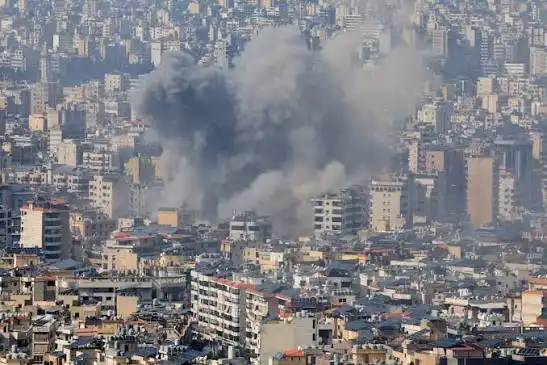
Lebanon is being pulled further into the widening regional confrontation as Hezbollah and Israel exchanged intensified missile strikes along their shared border, escalating tensions and prompting fresh displacement of civilians. The cross border violence marks one of the most serious flare ups in recent months and raises concerns about the potential for a broader front opening in the ongoing conflict.
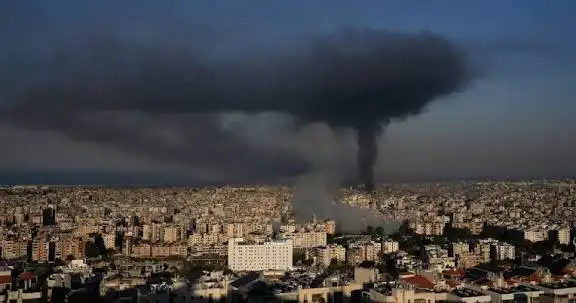
The Israeli military confirmed that projectiles were launched from southern Lebanon toward northern Israeli communities, triggering air defense responses and air raid sirens. In retaliation, Israeli forces carried out strikes targeting what they described as Hezbollah positions and weapons storage sites inside Lebanese territory. Explosions were reported in multiple towns near the frontier, with smoke visible over several villages.
Hezbollah, the powerful Lebanese armed group backed by Iran, said it had targeted Israeli military installations in response to operations elsewhere in the region. The group characterized its actions as defensive and warned that continued Israeli attacks would be met with further resistance. Israeli officials, meanwhile, accused Hezbollah of deliberately escalating the situation and endangering civilians on both sides of the border.
Local authorities in southern Lebanon reported damage to residential buildings and infrastructure, though comprehensive casualty figures were not immediately available. Emergency services and civil defense teams were deployed to affected areas to assess destruction and assist residents. Thousands of people have reportedly fled border communities, seeking safety in more central parts of the country.
The government of Lebanon called for calm and urged international actors to intervene diplomatically to prevent further deterioration. Lebanese officials expressed concern that sustained hostilities could overwhelm the country’s already fragile economic and political systems.
In Israel, municipal leaders in northern towns advised residents to remain near shelters and follow instructions from security authorities. Schools in some districts were temporarily closed as a precaution. The exchange of fire has heightened anxiety among civilians who fear a repeat of previous large scale confrontations.
International observers have warned that increased activity along the Lebanon Israel border risks transforming localized skirmishes into a more expansive theater of war. Diplomatic channels are reportedly active, with regional and global powers seeking to contain the escalation.
As missile exchanges continue and displacement rises, the situation underscores the interconnected nature of the broader Middle East crisis. With Hezbollah and Israel now engaged more directly, the possibility of further destabilization remains a serious concern for the region and the international community.









Leave a comment