
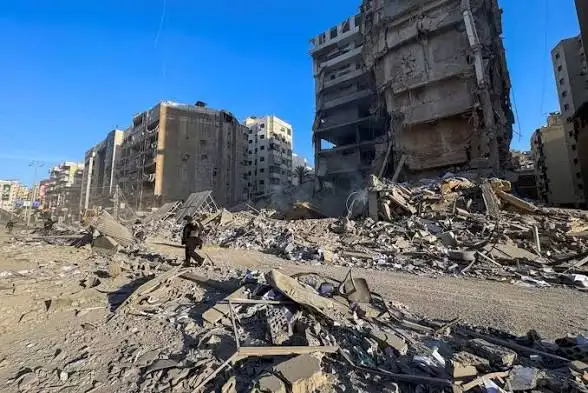
Lebanon faces a rapidly worsening humanitarian situation as the number of casualties continues to rise following sustained Israeli air operations across multiple areas of the country with emergency services struggling to respond to the scale of destruction and growing civilian needs continuing shortages of medical supplies and overwhelmed hospitals adding pressure on an already fragile healthcare system nationwide
Authorities report that densely populated neighborhoods have experienced extensive damage, forcing thousands of residents to flee their homes in search of safety. Temporary shelters are becoming increasingly overcrowded, while aid organizations warn that resources are being stretched to their limits. Local officials continue to appeal for urgent international assistance to address the mounting humanitarian challenges facing affected communities
Medical personnel on the ground describe extremely difficult conditions as they work to treat the injured with limited equipment and staff. Hospitals are operating beyond capacity, and doctors are being forced to make critical decisions about patient care. Relief agencies have expressed concern that without immediate support, the healthcare system could face further deterioration in the coming days
The displacement of civilians has created additional strain on infrastructure in safer areas, with schools and public buildings being converted into emergency shelters. Families are arriving with few belongings, relying heavily on aid distributions for food and basic necessities. Humanitarian groups are working to coordinate relief efforts, but access constraints continue to complicate delivery operations significantly
Regional leaders have voiced concern about the growing humanitarian crisis, urging all parties involved to exercise restraint and prioritize the protection of civilians. Diplomatic channels remain active, though progress toward reducing tensions has been limited. Observers note that the situation on the ground is evolving rapidly, making coordinated international responses more challenging to implement effectively
Economic impacts are also becoming increasingly evident, with local businesses disrupted and critical infrastructure damaged. Supply chains within the country are facing interruptions, affecting the availability of essential goods. Analysts warn that prolonged disruption could deepen existing economic difficulties, further complicating recovery efforts and placing additional burdens on already vulnerable populations across affected regions
As conditions continue to deteriorate, humanitarian organizations emphasize the urgency of coordinated international action to support affected communities. The scale of the crisis underscores the need for sustained assistance and long term planning. Observers stress that without meaningful intervention, the humanitarian situation could worsen further, leaving lasting consequences for Lebanon and the broader region











Leave a comment