
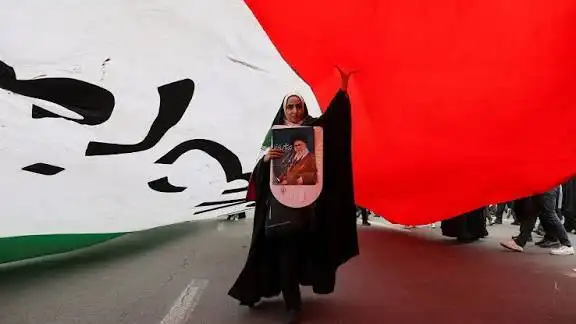
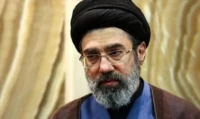
Iran entered a new political era as Mojtaba Khamenei formally assumed the position of supreme leader following the death of his father, Ayatollah Ali Khamenei. The transition comes at a moment of extraordinary national pressure as the country remains involved in an expanding war and faces mounting economic and diplomatic challenges. Iranian state media confirmed the transfer of authority after senior clerics and key institutions recognized Mojtaba Khamenei as the new leader of the Islamic Republic. His elevation places him at the center of decision making during one of the most difficult periods in the country’s modern history.
The succession process unfolded rapidly after the passing of the longtime leader who had guided Iran’s political and religious elishment for decades. Senior members of the Assembly of Experts and influential clerical figures held consultations that ultimately endorsed Mojtaba Khamenei’s leadership. Supporters within the political system described the decision as a step aimed at preserving continuity within the Islamic Republic’s governing framework. Many officials emphasized that maintaining ility in leadership was vital as the country confronts significant external pressures and an ongoing military confrontation.
Mojtaba Khamenei has long been viewed as an influential figure within Iran’s internal power structure, although he previously held no formal executive office comparable to the role he now occupies. Observers note that his close connections with religious institutions and segments of the security elishment helped strengthen his position during the succession process. Analysts believe these relationships may play a key role as the new leader works to consolidate authority and manage competing political interests inside the country. His leadership will likely shape both Iran’s domestic policies and its approach to international relations in the coming years.
The transition is unfolding amid intense geopolitical tension across the Middle East. Ongoing military operations and economic pressures have placed Iran under significant strain, making the leadership ce particularly consequential. International governments are closely monitoring the situation to determine how the new supreme leader will guide national strategy. Some experts expect a focus on reinforcing internal unity while continuing to resist foreign pressure, though the precise direction of policy remains uncertain as the leadership structure adjusts to the new reality.
For many Iranians the moment represents both continuity and uncertainty. The supreme leader holds ultimate authority over major state institutions including the armed forces, judiciary, and key policy councils. As Mojtaba Khamenei steps into this powerful role he inherits responsibility for steering the country through a complex landscape of regional conflict, economic challenges, and evolving diplomatic relations. The coming months are expected to reveal how his leadership style and priorities will influence Iran’s future direction.



Leave a comment