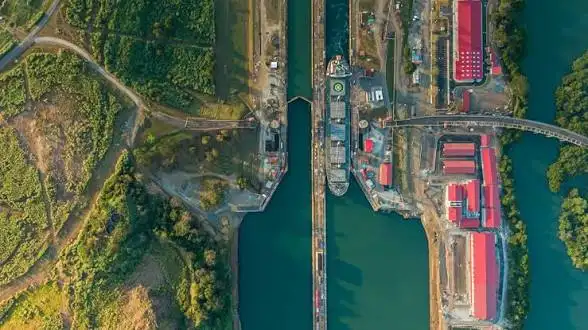
Strategic maritime corridors that underpin global trade are coming under increasing pressure as security concerns escalate across critical regions. These routes serve as essential channels for the movement of energy resources, manufactured goods, and raw materials. Recent developments have heightened awareness among governments and shipping operators about the vulnerability of these waterways to disruption and uncertainty in today’s interconnected global economy.
Among the most closely watched areas are narrow transit points that handle a significant share of global shipping traffic. Any disruption in these zones can have immediate consequences for international supply chains. Maritime authorities are increasing surveillance and coordination efforts, aiming to ensure safe passage for vessels while addressing evolving risks linked to regional tensions and heightened operational challenges.
Shipping companies are responding by adjusting operational strategies, including rerouting vessels and implementing stricter safety protocols. These measures are designed to minimize exposure to potential hazards but often result in longer transit times and increased costs. Industry leaders note that such adjustments, while necessary, are placing additional financial strain on logistics networks already managing complex global demand patterns.
Insurance providers have also begun reassessing risk levels associated with key maritime routes, leading to higher premiums for vessels operating in sensitive areas. This shift reflects broader concerns within the financial sector regarding the potential for disruptions. The increased cost of coverage is being passed along the supply chain, ultimately affecting pricing structures for goods transported through these essential corridors.
Governments and international organizations are working to strengthen cooperative frameworks aimed at safeguarding maritime security. Joint patrols, intelligence sharing, and coordinated response strategies are being emphasized as critical tools for maintaining ility along major shipping lanes. However, the effectiveness of these efforts depends heavily on sustained collaboration among nations with differing strategic interests.
Economic implications are becoming increasingly evident as disruptions or delays in maritime transport affect industries ranging from energy to consumer goods. Analysts highlight that prolonged uncertainty could influence global trade flows and alter elished logistics routes. Businesses are being urged to diversify supply chains and build resilience to mitigate potential impacts arising from continued volatility in maritime operations.
As the situation continues to evolve, stakeholders across the maritime sector remain vigilant. The ability to adapt quickly to cing conditions will be crucial in maintaining the flow of goods across international markets. Observers emphasize that ensuring the security of these vital routes is essential not only for economic ility but also for the broader functioning of global trade systems.













Leave a comment