
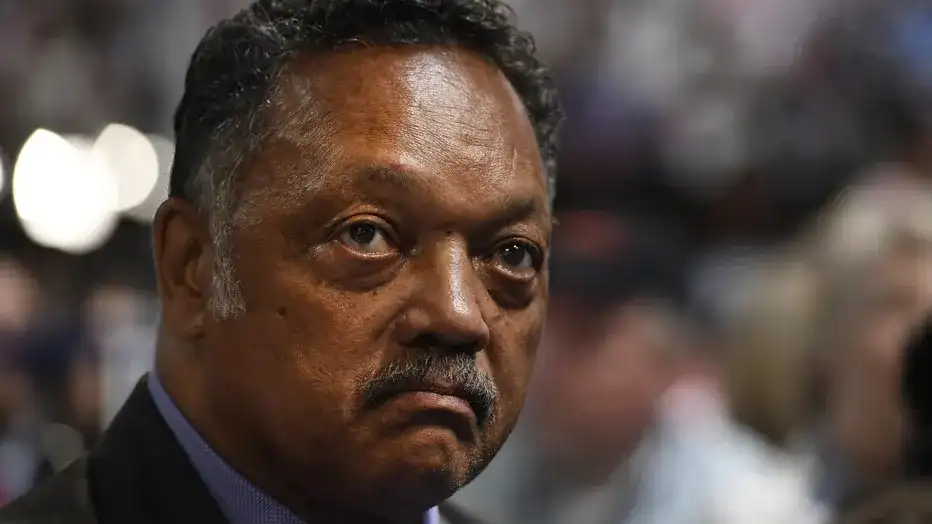
Jesse Jackson emerged from the turbulence of the 1960s to become one of the most influential figures in modern American politics, bridging the gap between street activism and major party presidential campaigns.
A protégé of Martin Luther King Jr, Jackson rose through the civil rights movement as a gifted orator and organiser. Through the Southern Christian Leadership Conference, he led Operation Breadbasket, pushing for economic justice and corporate accountability. After internal disputes, he founded Operation PUSH, later merging it into the Rainbow PUSH Coalition, championing education, voting rights and economic opportunity.
Jackson was with King in Memphis in 1968 when the civil rights leader was assassinated, a moment that reshaped his life and propelled him into national prominence. Determined that one bullet would not the movement, Jackson expanded the struggle to include class inequality, arguing that America’s divide was between the haves and the have nots.
In 1984 and 1988, Jackson sought the Democratic presidential nomination, becoming the first African American to mount highly competitive campaigns within a major party. His Rainbow Coalition united Black, Latino, working class and progressive voters. Though he ultimately lost the nomination to Michael Dukakis in 1988, Jackson won millions of votes and more than 1,000 delegates, reshaping the Democratic Party’s primary system and platform.
His campaigns paved the way for future historic bids, including those of Barack Obama and Kamala Harris. Jackson later supported Obama’s successful 2008 run, visibly moved as America elected its first Black president.
Despite later personal and family controversies, Jackson remained an elder statesman in Democratic politics. Diagnosed in 2017 with a degenerative neurological condition later identified as progressive supranuclear palsy, he gradually withdrew from public life. Yet his legacy endures as a pioneer who transformed protest into political power and expanded the boundaries of American democracy.












Leave a comment