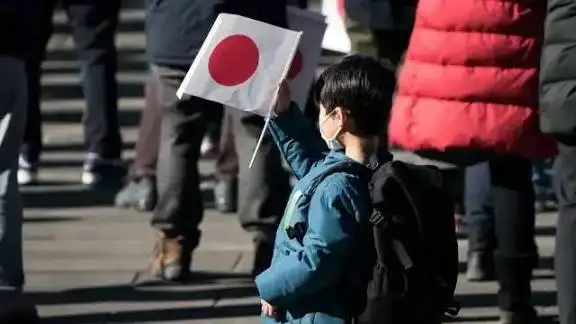
Japan has recorded its lowest number of annual births since records began in 1899, underscoring the country accelerating demographic decline and intensifying concerns over long term economic and social sustainability. Government data show that the number of newborns fell for the tenth consecutive year, marking a historic low that reflects persistent structural challenges.
Officials said the decline is driven by a combination of factors, including a shrinking population of women of childbearing age, delayed marriage, economic uncertainty and changing social attitudes toward family life. The downward trend has outpaced earlier projections, prompting renewed debate over policy measures aimed at reversing the trajectory.
Japan fertility rate has remained well below the replacement level required to maintain population stability. As births decline and life expectancy remains high, the proportion of elderly citizens continues to rise. This demographic imbalance places increasing strain on social welfare systems, healthcare services and the labor market.
The government has introduced a range of initiatives designed to encourage childbearing and support families. These measures include expanded childcare access, financial incentives and workplace reforms intended to improve work life balance. However, analysts note that such policies have so far produced limited impact, as deeper societal and economic pressures continue to shape individual decisions.
Urbanization trends and high living costs in major metropolitan areas have also contributed to lower birth rates. Younger generations cite career priorities, housing affordability and concerns about job security as significant considerations when planning families. In rural regions, depopulation has accelerated as younger residents migrate to cities, further reducing the number of potential parents in aging communities.
Demographers warn that the long term consequences of sustained population decline could include slower economic growth, reduced domestic consumption and mounting fiscal pressures. Japan has already experienced labor shortages in sectors such as healthcare, construction and technology, leading to increased reliance on automation and selective immigration programs.
While the government continues to emphasize family support reforms, experts argue that comprehensive solutions may require broader structural changes, including greater gender equality in the workplace and more flexible employment systems. Without sustained and multifaceted interventions, projections suggest the population will continue to contract over the coming decades.
The latest figures reinforce Japan position as one of the most rapidly aging societies in the world. Policymakers face mounting urgency to address demographic decline not only as a social issue but as a central economic challenge that will shape the nation future trajectory.











Leave a comment