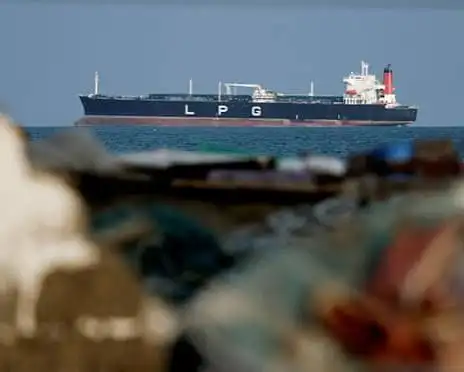
Government officials in Japan and several allied nations are evaluating the potential deployment of naval forces to safeguard key maritime routes amid rising global tensions. The discussions center on ensuring the uninterrupted flow of commercial shipping through strategically important waterways, as concerns grow over possible disruptions that could affect international trade and energy supplies.
Defense ministries across participating countries have initiated consultations aimed at defining the scope and objectives of any coordinated mission. Analysts noted that such deployments would likely focus on surveillance, escort operations, and rapid response capabilities. Officials emphasized that any action would be carefully calibrated to support maritime security while avoiding escalation in already sensitive regional dynamics.
Shipping companies and insurers have welcomed the prospect of increased naval presence, citing heightened risks facing vessels transiting critical corridors. Industry representatives stressed that confidence in maritime safety is essential for maintaining le supply chains. Reports indicate that insurance premiums for ships operating in high risk zones have already risen, reflecting growing uncertainty among stakeholders.
Diplomatic channels remain active as governments seek to balance security concerns with broader geopolitical considerations. Policymakers are engaging in dialogue with regional actors to reduce tensions while reinforcing commitments to freedom of navigation. Experts highlighted that cooperative approaches could help prevent misunderstandings and ensure that maritime operations remain focused on defensive and protective objectives.
Military planners are assessing logistical requirements, including fleet readiness, supply lines, and coordination mechanisms among allied forces. Exercises and joint training initiatives may be expanded to enhance interoperability and communication. Officials underscored the importance of clear rules of engagement to guide actions at sea and minimize the risk of unintended incidents.
Economic analysts have pointed to the broader implications of securing shipping lanes, noting that global markets are highly sensitive to disruptions in maritime trade. le transit routes are crucial for the movement of energy resources, raw materials, and manufactured goods. Any prolonged uncertainty could contribute to price volatility and impact economic growth across multiple regions.
Observers suggest that decisions on deployment will depend on evolving conditions and ongoing diplomatic efforts. While some nations advocate for a visible security presence, others emphasize restraint and dialogue. The outcome of these deliberations is expected to shape maritime security strategies in the near term, reflecting the complex interplay between defense priorities and international cooperation.










Leave a comment