
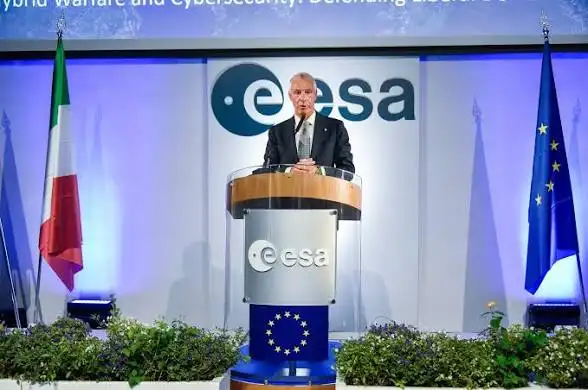
Italy and Sweden have raised concerns about the evolving nature of security risks facing Europe, pointing to an increase in hybrid threats linked to state and non state actors. Officials from both countries emphasized that modern challenges extend beyond conventional military activity, encompassing cyber operations, disinformation campaigns, and interference in critical infrastructure. These developments have prompted renewed discussions within European institutions about strengthening collective responses.
Security assessments presented by the two nations suggest that activities attributed to Russia and Iran are contributing to a more complex threat environment. Analysts note that hybrid tactics are often designed to exploit vulnerabilities without triggering direct confrontation, making them difficult to counter through traditional defense measures. This has led to calls for improved intelligence sharing and coordination among European partners.
Italy has focused on the need to safeguard its digital infrastructure and financial systems, which are increasingly seen as potential targets for covert operations. Sweden, meanwhile, has underscored concerns about influence campaigns and efforts to shape public opinion through online platforms. Both countries agree that addressing these challenges requires a combination of technological resilience, regulatory frameworks, and public awareness initiatives.
At the European level, policymakers are considering a range of measures aimed at enhancing preparedness. These include expanding cybersecurity capabilities, investing in advanced monitoring systems, and fostering collaboration between government agencies and private sector organizations. The goal is to create a more unified approach that can respond effectively to threats that often cross national boundaries.
Despite the heightened concerns, officials stress that cooperation remains the most effective tool for mitigating risks. By working together, European nations aim to build resilience against hybrid tactics while maintaining ility across the region. The discussions initiated by Italy and Sweden highlight the urgency of adapting security strategies to meet the demands of an increasingly interconnected and complex global landscape.












Leave a comment