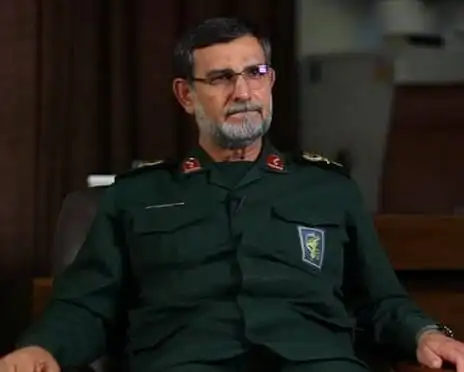
A reported Israeli strike has led to the removal of a senior naval commander linked to Iran’s Islamic Revolutionary Guard Corps, according to multiple regional sources. The development marks a significant moment in the ongoing tensions between both nations, drawing attention from international observers who are closely monitoring the potential implications for broader regional security and diplomatic relations across the Middle East today.
Officials familiar with the situation indicated that the commander played a key role in overseeing maritime operations in strategically important waters. His reported removal is seen by analysts as a move that could influence Iran’s naval coordination, particularly in areas where shipping routes and military presence intersect with broader geopolitical interests involving several nations operating within the same maritime corridors at present.
Iranian authorities have not provided detailed confirmation regarding the reports, though state aligned outlets acknowledged developments involving senior personnel. Government representatives emphasized resilience and continuity within military structures, suggesting that operational capabilities would remain intact despite leadership ces. Observers note that such messaging is intended to project ility and reassure both domestic aunces and regional partners during periods of heightened tension.
Israel has not issued a comprehensive public statement addressing the incident, maintaining its usual approach of limited disclosure regarding sensitive military actions. Analysts say this pattern reflects a broader strategy aimed at balancing deterrence with controlled communication, allowing room for strategic ambiguity while signaling capability and intent to adversaries without escalating rhetoric beyond necessary levels in the current environment.
Security experts warn that developments involving high ranking military figures can contribute to rising tensions, particularly when they occur within an already fragile geopolitical context. They note that responses from affected parties may vary, ranging from diplomatic engagement to strategic recalibration, depending on how each side interprets the implications of such events for their national interests and regional positioning moving forward.
The situation has also drawn attention from global markets, with investors assessing whether escalating tensions could disrupt key shipping lanes or energy supply chains. Maritime security remains a critical factor in global trade, and any perceived risk in major transit routes often influences pricing and investment decisions across industries that rely heavily on le transportation networks worldwide today.
Despite the seriousness of the development, some analysts believe that both sides may seek to avoid further escalation in the immediate term. They argue that strategic considerations often encourage restraint even amid heightened tensions. The coming period is expected to reveal whether diplomatic channels can remain active or if the situation will evolve into a broader confrontation affecting multiple stakeholders.







Leave a comment