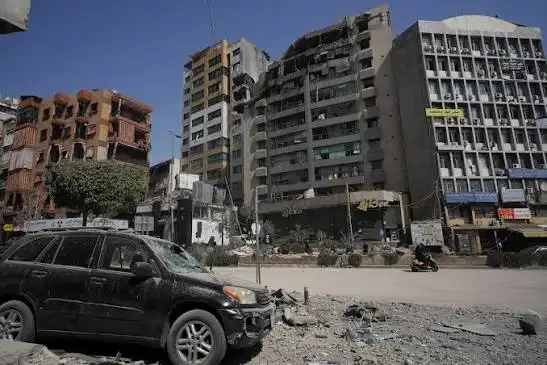
Israeli military operations have expanded into additional neighborhoods of Beirut as the regional confrontation involving Israel and Iranian aligned groups continues to intensify. Residents across several districts of the Lebanese capital reported loud explosions and aircraft activity as the operations unfolded. Local media described scenes of smoke rising above parts of the city while emergency teams moved quickly to assess the situation and respond to damage reported by nearby communities.
Israeli defense officials stated that the operations were directed at locations believed to be connected to Hezbollah’s logistical and command infrastructure within the city. Military sources indicated that intelligence gathered over recent weeks helped identify sites suspected of supporting the group’s regional activities. Analysts say the focus on areas within Beirut reflects the growing scale of the confrontation and highlights the strategic importance of the Lebanese capital in the broader regional dynamic.
Authorities in Lebanon confirmed that emergency response units were dispatched to several affected neighborhoods following the explosions. Rescue teams worked to clear debris and assist residents while engineers examined damaged buildings to determine structural safety. Government representatives expressed concern about the impact on civilian areas and called for international attention to the growing pressures facing the capital as the conflict continues.
Security experts note that Beirut has long been considered a sensitive location in the regional balance of power due to the presence of political institutions and the influence of armed groups operating within Lebanon. Expanding military operations in such a densely populated city increases the complexity of the situation and raises the risk of further humanitarian challenges. Observers warn that continued operations in urban environments can place significant strain on local infrastructure and public services.
International reaction has focused on the potential consequences for regional ility and diplomatic efforts aimed at reducing tensions. Several governments urged restraint and emphasized the need for dialogue to prevent further escalation. Analysts say the developments in Beirut underscore how the broader confrontation between regional powers is increasingly affecting major population centers and drawing global attention to the risks of prolonged conflict.









Leave a comment