
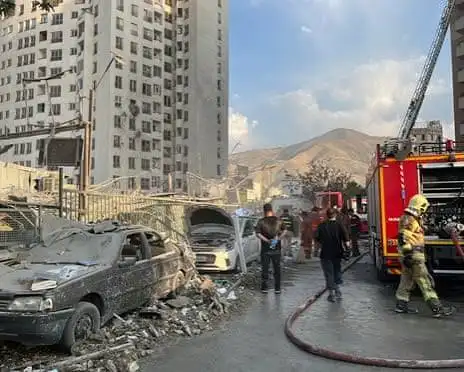
Israel has initiated a new wave of air operations aimed at strategic locations in Iran, including areas in and around the capital city of Tehran, as tensions between the two nations continue to intensify. Officials described the action as part of a broader effort to counter perceived threats and limit military capabilities considered critical to Iran’s regional posture and operational reach.
According to defense sources, the strikes focused on facilities believed to be linked to military planning, logistics coordination, and weapons development. While details remain limited, early assessments indicate that multiple sites were affected, with authorities in Israel suggesting the operations were carefully planned to achieve specific objectives while minimizing unintended consequences in densely populated areas where civilians reside.
Iranian authorities have acknowledged activity in several regions but have not released comprehensive information regarding the extent of the impact. State media reported that air defense systems were activated in response, while emergency services were deployed to assess affected areas. The situation has added another layer of urgency to an already tense environment across the Middle East at this time.
Military analysts note that operations targeting high value sites within Iran represent a significant escalation in the ongoing confrontation. Such actions carry the potential to provoke further responses, raising concerns about a cycle of retaliation that could extend beyond bilateral tensions and draw in additional regional actors with aligned strategic interests and longstanding rivalries across neighboring countries.
Diplomatic efforts to ease tensions appear to be struggling, with calls for restraint from global leaders intensifying. Several governments have urged both sides to avoid further actions that could deepen the crisis, warning that continued escalation may have far reaching consequences for regional ility, economic conditions, and the safety of civilians living in areas affected by ongoing hostilities and uncertainty.
Energy markets reacted swiftly to the developments, as traders weighed the implications of continued conflict involving major regional players. Concerns over potential disruptions to supply routes and infrastructure contributed to fluctuations in oil prices, reflecting broader anxiety about how sustained tensions could impact global energy availability and economic conditions in both developed and emerging economies worldwide.
As the situation continues to evolve, international observers remain focused on whether diplomatic channels can regain momentum or if military actions will persist. Governments and organizations are closely monitoring developments, emphasizing the need for de escalation while preparing contingency measures to address potential humanitarian and economic challenges arising from the ongoing conflict dynamics in the region.










Leave a comment