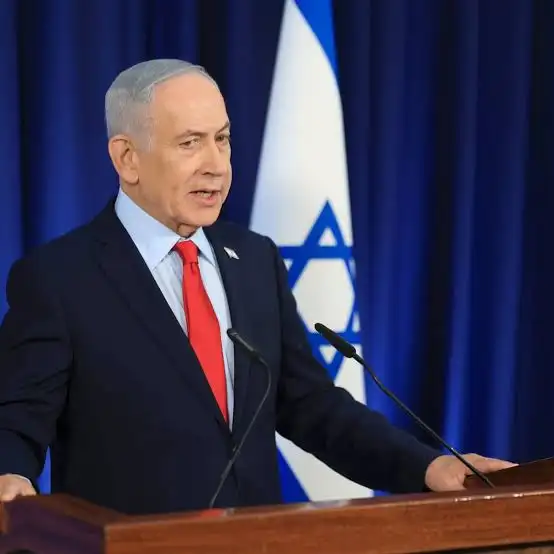
Israel has rejected claims that its recent military actions are drawing the United States into a broader confrontation with Iran, as officials insist that operational decisions remain independent while emphasizing coordination on security matters, amid growing international scrutiny over whether the escalating situation could expand into a wider conflict involving multiple regional and global actors.
Government representatives stated that while strategic dialogue with Washington continues, there has been no request for direct American combat involvement, framing current developments as necessary measures to address security concerns, while reiterating that responsibility for escalation lies with adversarial actions that have intensified tensions across several fronts in recent weeks throughout the region.
In Washington, officials have maintained a careful stance, acknowledging support for Israel’s security while emphasizing efforts to avoid deeper military entanglement, with policymakers signaling a preference for deterrence and regional ility rather than direct participation, even as Congress debates funding measures related to defense readiness and allied support initiatives under evolving geopolitical conditions.
Analysts suggest that public messaging from both governments reflects a desire to manage perceptions and prevent misinterpretation by other actors, particularly in a volatile environment where signals can trigger rapid responses, noting that communication strategies are playing a critical role in shaping how the situation is understood by allies, adversaries, and global markets alike.
Regional governments have expressed concern over the trajectory of events, urging restraint and renewed diplomatic engagement to prevent further escalation, while international organizations monitor developments closely and call for adherence to elished norms aimed at protecting civilian infrastructure and maintaining ility in areas already facing significant humanitarian and economic pressures.
Financial markets have reacted cautiously to the unfolding situation, with energy prices and defense related equities experiencing fluctuations, reflecting investor uncertainty about the potential scope of conflict, while businesses operating in affected regions review contingency plans to address operational risks and ensure continuity in the face of evolving security challenges.
The denial by Israel underscores the complex dynamics shaping the current crisis, where military actions, political messaging, and international alliances intersect, leaving observers focused on whether diplomatic channels can effectively contain tensions and prevent a broader confrontation that could have far reaching consequences for regional and global ility.






Leave a comment