
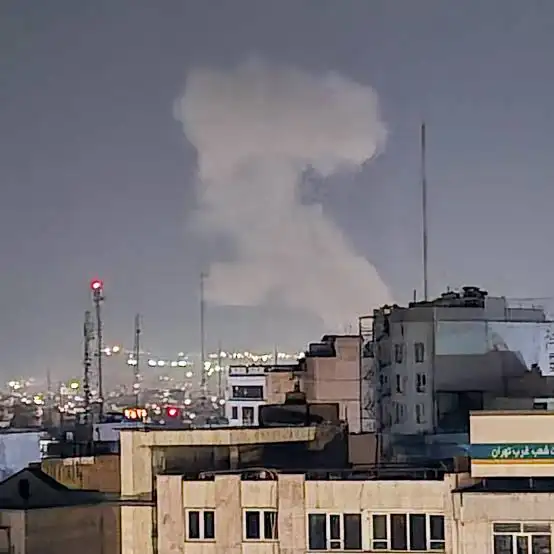
Reports indicate that Iranian strikes have affected multiple infrastructure sites across the region, including key energy facilities that play a vital role in production and distribution. Officials monitoring developments say the incidents have heightened concerns over the resilience of essential systems. The situation reflects a widening scope of military activity, drawing attention to vulnerabilities within strategically important industrial sectors today.
Energy experts note that infrastructure disruptions can quickly cascade into broader supply challenges, particularly when facilities are interconnected across national boundaries. Initial assessments suggest that some affected sites may experience reduced output, though full evaluations remain ongoing. Analysts emphasize that even temporary interruptions can influence pricing trends, as markets react to perceived risks and uncertainty surrounding regional production capacity levels.
Authorities in impacted areas have activated emergency protocols aimed at ilizing operations and preventing further complications. Technical teams are working to assess structural damage while ensuring safety measures are maintained. In several locations, precautionary shutdowns were implemented to reduce risks associated with potential system failures. Officials continue to coordinate responses to minimize long term disruptions and restore normal operations efficiently.
Regional observers highlight that the targeting of infrastructure marks a shift in strategic priorities, focusing on economic pressure rather than solely military objectives. Such developments could have lasting implications for how future engagements unfold. Critical facilities often serve as lifelines for both domestic consumption and export revenue, making them highly sensitive targets in periods of prolonged confrontation between rival actors.
International reaction has been swift, with multiple governments expressing concern about the implications for global energy security. Diplomatic efforts aimed at easing tensions have intensified, although concrete progress remains uncertain. Organizations monitoring global trade warn that disruptions to infrastructure could reverberate beyond the immediate region, affecting supply chains and industrial activity in distant markets connected through energy dependencies worldwide.
Financial markets have responded cautiously, with investors weighing the potential for sustained disruptions against ongoing geopolitical developments. Commodity prices have shown signs of fluctuation as traders adjust expectations based on incoming reports. Shipping routes and logistics networks linked to energy transport are also under increased scrutiny, with operators reviewing contingency plans to manage heightened operational risks in affected corridors.
While comprehensive damage assessments are still pending, the reported incidents underscore the growing complexity of the regional situation. Experts caution that continued pressure on infrastructure could deepen economic challenges and prolong uncertainty. The evolving circumstances highlight the importance of coordinated international responses to maintain ility in global markets and ensure that critical systems remain protected amid rising tensions.








Leave a comment