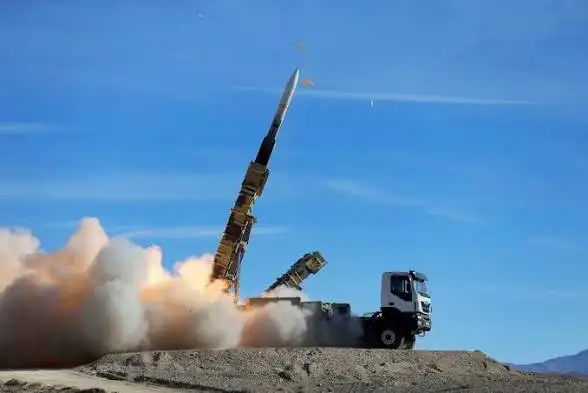
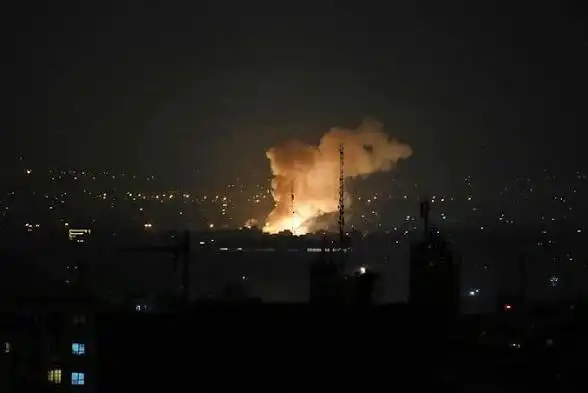
Air defense systems in central Israel were activated following reports of incoming Iranian missiles, with authorities confirming that multiple projectiles were successfully intercepted before reaching populated areas. The incident triggered warning sirens across several cities, prompting residents to seek shelter. Officials stated that emergency protocols functioned as intended, minimizing potential harm and maintaining control during heightened alert conditions.
Military representatives indicated that the interception systems detected and neutralized the incoming threats in a coordinated response. Radar tracking and defensive measures were deployed within seconds, demonstrating preparedness amid ongoing regional tensions. Authorities emphasized that such systems are designed to respond rapidly to aerial threats, providing a critical layer of protection for both civilian and strategic locations across the country.
Residents described moments of anxiety as sirens echoed through neighborhoods, followed by visible flashes in the sky associated with interception activity. Emergency services were placed on standby, though no immediate reports of significant damage were confirmed. Officials urged the public to remain vigilant and adhere to safety instructions as a precaution against any further developments during the ongoing situation.
Defense analysts noted that the incident reflects the continuing evolution of regional military capabilities, particularly in missile technology and countermeasures. The successful interception was seen as a demonstration of advanced defensive coordination, though experts cautioned that repeated incidents could strain resources over time. The broader implications highlight the delicate balance between deterrence and escalation in the region.
Government officials reiterated their commitment to national security, stating that all necessary measures would be taken to protect citizens. Coordination with international partners was also mentioned as part of ongoing efforts to monitor threats and maintain ility. Diplomatic channels remain active, though the situation continues to test existing frameworks aimed at reducing tensions and preventing further confrontation.
In response to the developments, neighboring countries closely monitored the situation, with some issuing travel advisories and reviewing their own defense readiness. The event added to growing concerns about the potential for wider regional involvement, as interconnected security dynamics continue to shape responses across the Middle East and beyond in an increasingly complex geopolitical environment.
Market reactions were mixed, with investors weighing the effectiveness of defensive systems against the risks of continued escalation. While immediate disruptions appeared limited, uncertainty persisted as stakeholders assessed potential long term impacts. Analysts emphasized that sustained vigilance and diplomatic engagement will be essential in managing risks and preventing further deterioration of the already tense regional landscape.






Leave a comment