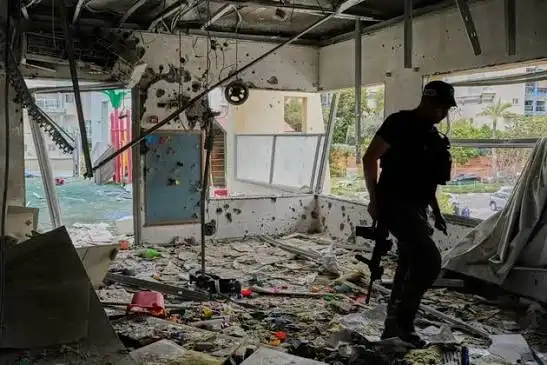
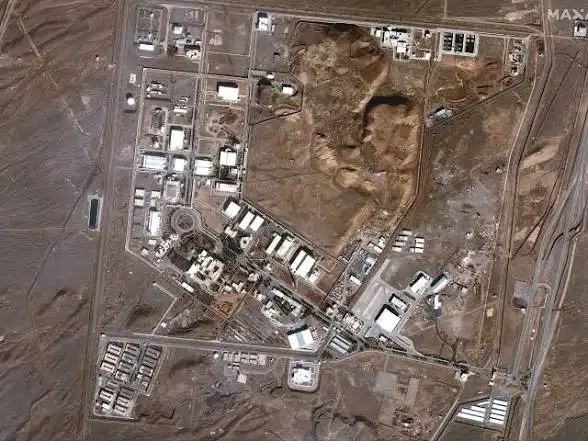
Reports have emerged that Iranian missile strikes have injured civilians in areas surrounding an Israeli nuclear facility, raising urgent concerns among international observers about the safety of populations living near sensitive installations and the broader implications for regional security as tensions continue to escalate between long standing adversaries in an increasingly volatile environment.
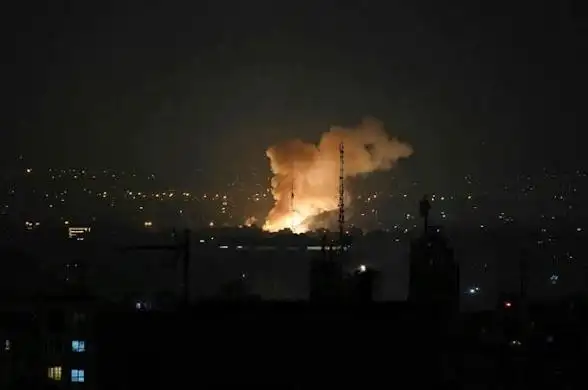
Local emergency services confirmed that several individuals sustained injuries when projectiles landed near residential zones adjacent to the facility, prompting rapid medical response efforts and heightened alert levels, while authorities moved to secure the area and assess structural impacts amid fears that further incidents could place additional strain on already stretched response systems.
Israeli officials condemned the strikes, emphasizing the risks posed to civilian life and critical infrastructure, while reinforcing their commitment to safeguarding national security through defensive measures, and indicating that the situation is under continuous review as military and civil agencies coordinate closely to manage immediate threats and longer term considerations.
International watchdog groups have also expressed concern about the proximity of such incidents to nuclear related sites, noting that any damage or disruption in these areas could have far reaching consequences, and calling for restraint from all parties to prevent scenarios that might inadvertently compromise safety protocols or trigger unintended environmental or humanitarian challenges.
Residents in nearby communities described scenes of confusion and urgency as sirens sounded and people sought shelter, highlighting the human impact of the situation and the psychological toll on populations living under persistent threat, while local authorities worked to provide reassurance and essential support services during a period of heightened uncertainty.
Analysts suggest that the targeting near sensitive facilities could signal a shift in tactical considerations, introducing new risks that complicate diplomatic efforts aimed at de escalation, as stakeholders attempt to interpret intent and anticipate next steps in a rapidly evolving landscape that demands careful management to avoid broader consequences.
Calls for restraint have intensified from multiple governments and international organizations, urging all sides to prioritize civilian safety and return to dialogue, with the recognition that continued escalation may further deilize the region and undermine efforts to maintain a degree of predictability in an already fragile geopolitical climate.






Leave a comment