
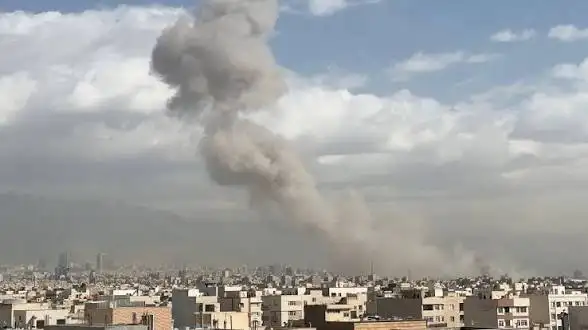
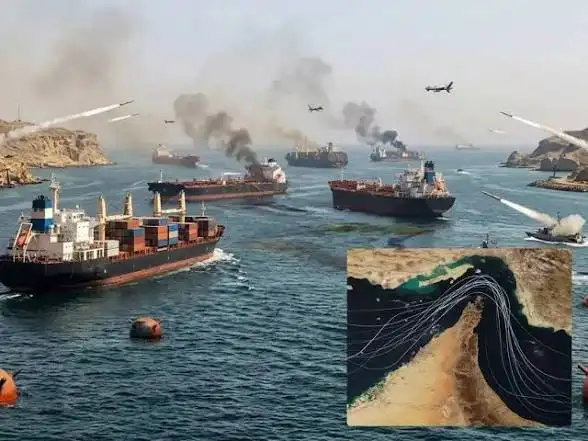
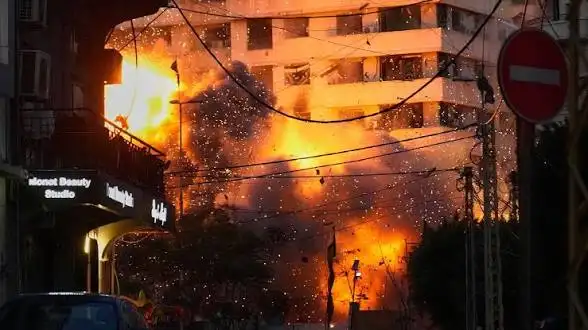
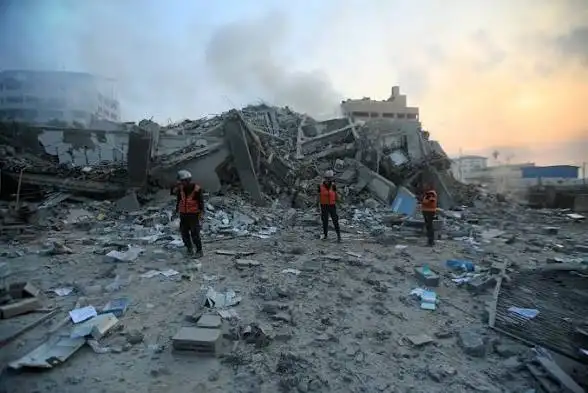
Iranian forces launched coordinated missile and drone strikes aimed at United States and Israeli assets across multiple locations, officials said, marking a sharp rise in direct confrontation. Early reports indicated impacts near military facilities and logistical hubs, prompting heightened alerts and air defense responses while authorities assessed damage and sought to prevent further escalation overnight.
Authorities in Iran said the operations were calibrated responses to prior actions and framed them as deterrent measures. State broadcasters highlighted precision capabilities and defensive intent. Independent analysts noted the geographic spread suggested complex planning and synchronized command. Communications advisories urged civilians to avoid sensitive zones as assessments continued under restricted access conditions.
Defense officials in the United States confirmed that protective systems engaged incoming projectiles near designated sites. Statements emphasized force protection priorities, continuity of operations, and coordination with regional partners. Lawmakers requested briefings covering legal authorities and escalation controls. Military spokespeople declined to detail specific locations while damage evaluations and security reviews remained ongoing.
The government of Israel reported interceptions and rapid emergency responses around strategic assets. Civil defense units issued mobile alerts and guidance for residents. Transportation authorities adjusted routes near restricted areas. Energy and water utilities activated contingency protocols designed to sustain essential services during heightened security postures and potential infrastructure disruptions.
Maritime and aviation regulators circulated advisories to operators transiting nearby corridors. Shipping firms reviewed routing options while airlines evaluated airspace constraints and scheduling adjustments. Insurers reassessed exposure and compliance requirements. Market participants monitored commodity flows and freight rates, reflecting sensitivity to developments affecting critical logistics networks and regional trade arteries.
Diplomatic channels intensified as envoys pursued de escalation pathways and crisis communication mechanisms. Regional organizations convened consultations focused on incident prevention and transparency measures. Policy institutes recommended confidence building steps, including notification frameworks and technical hotlines. Observers stressed that sustained dialogue could reduce miscalculation risks in environments where military and civilian activities intersect closely.
Security specialists assessed potential trajectories ranging from calibrated signaling to broader deterrence postures. Humanitarian groups emphasized civilian protection and uninterrupted access to essential services. Data teams compiled incident logs and geospatial records to inform response planning. Analysts said measured actions, clear messaging, and multilateral engagement remain central to ilizing conditions and limiting further deterioration.






Leave a comment