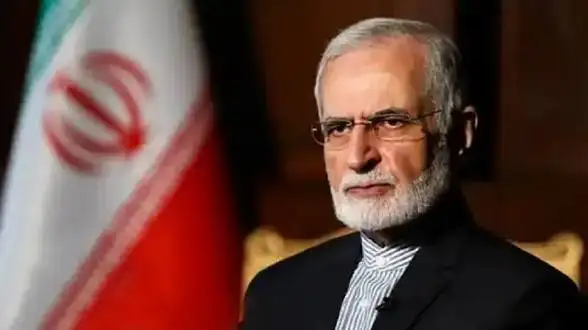
Iran has signaled readiness for a prolonged war as tensions across the Middle East continue to escalate, with officials emphasizing resilience despite mounting economic pressure and international scrutiny. Government representatives stated that national defense priorities remain unced, while warning that any further external pressure would be met with firm responses across multiple strategic domains in coming months ahead.
Iranian authorities highlighted their capacity to sustain military and economic operations over an extended period, citing domestic production capabilities and regional alliances. Analysts note that prolonged conflict scenarios could strain financial systems, yet officials maintain that contingency planning has been strengthened significantly in recent years to address potential disruptions and maintain governance continuity nationwide effectively under global conditions.
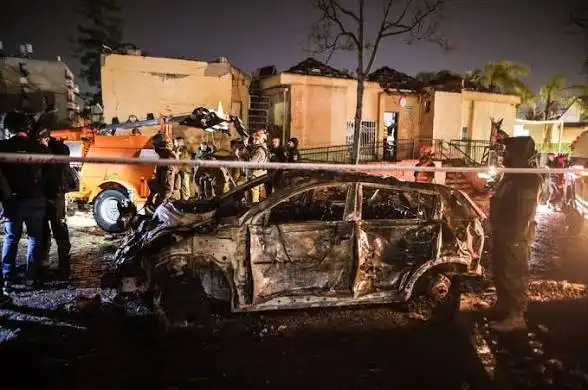
International observers have expressed concern about the broader implications of a sustained confrontation, particularly regarding regional security and economic flows. Diplomatic channels remain active, though progress appears limited as positions harden on all sides. Several countries have urged restraint, warning that escalation could disrupt critical infrastructure and further complicate already fragile geopolitical relationships within the region and beyond.
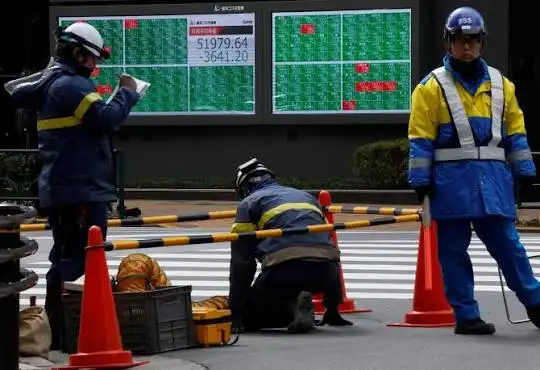
Economic pressure has intensified as sanctions, market reactions, and supply concerns weigh heavily on national resources. Officials acknowledged challenges related to currency ility, inflation, and trade limitations, but emphasized efforts to mitigate impacts through policy adjustments. Strategic sectors are receiving priority support to ensure continuity of services and maintain operational readiness during an extended period of heightened tension.
Military officials reiterated that defensive and offensive capabilities remain intact, with operations designed to deter adversaries and protect key assets. Reports indicate investment in missile systems, surveillance networks, and cyber capabilities. Experts suggest that measures reflect a strategy focused on endurance, signaling readiness to engage over time rather than seeking immediate resolution through rapid or limited engagements alone.
Political leaders Iran have sought to project unity, calling on citizens to support national objectives amid external pressures. Public messaging has emphasized resilience, sovereignty, and collective responsibility during challenging circumstances. Observers note that domestic sentiment remains a critical factor, as authorities balance internal expectations with external diplomatic considerations while attempting to navigate an complex and uncertain regional environment.
Despite the assertive stance, officials have indicated openness to diplomatic engagement if conditions align with national interests. International mediators continue to explore possible avenues for dialogue, though significant gaps remain between opposing positions. Analysts caution that without meaningful compromise, the prospect of a drawn out confrontation could carry far reaching consequences for regional security and the global economy.







Leave a comment