
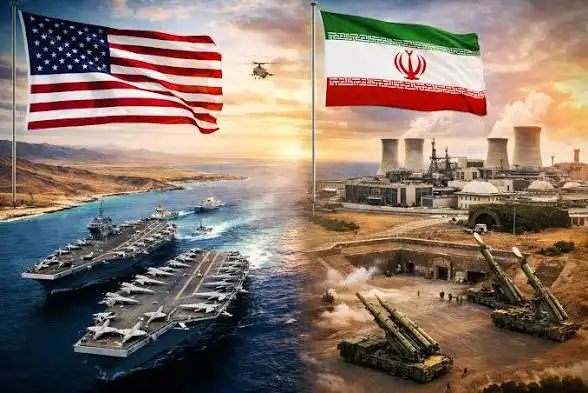
Iranian authorities warned that further military pressure could prompt wider targeting of infrastructure linked to the United States and its partners, escalating rhetoric during a period of regional strain. Officials framed the statement as deterrence, emphasizing sovereignty and national defense. Diplomats and analysts said the language underscores rising stakes across energy, transport, and communications networks internationally.
Statements carried by Islamic Republic News Agency cited senior security officials outlining potential response domains, including maritime routes, logistics hubs, and digital systems. Observers noted references to proportional measures and strategic patience. Regional governments increased monitoring of critical facilities while reiterating commitments to international law and civilian protection standards across shared infrastructure corridors and platforms.
Energy operators reviewed contingency plans covering terminals, pipelines, and offshore assets amid heightened alert levels. Shipping firms assessed routing options and insurance provisions as risk models were updated. Telecommunications providers examined network redundancy and cybersecurity posture. Financial institutions coordinated with regulators to safeguard payment rails and liquidity channels against potential disruptions and operational stress scenarios worldwide.
Military spokespersons in Washington said force protection and regional partnerships remain priorities, declining to discuss specific deployments. Allied governments echoed calls for restraint and dialogue, urging de escalation through elished diplomatic channels. Analysts highlighted the interplay between signaling and negotiation, cautioning that misinterpretation could accelerate cycles of response with consequences for trade and humanitarian access.
Market reactions reflected unease, with energy benchmarks firming and freight rates adjusting to revised risk assessments. Equity sectors tied to transport and heavy industry saw mixed performance as investors balanced exposure. Currency markets tracked safe haven flows. Risk managers emphasized diversified positioning and scenario planning to navigate uncertainty across interconnected asset classes and jurisdictions.
Humanitarian organizations urged protection of civilians and essential services, noting vulnerabilities in water, health, and food systems during protracted crises. Civil aviation authorities reviewed advisories and routing guidance. Technology firms reinforced incident response teams and information sharing. Policy institutes recommended confidence building steps to reduce escalation pathways and preserve channels for negotiation and crisis communication.
Diplomatic activity continued across regional capitals and multilateral forums as officials sought off ramps to tension. Backchannel contacts and public messaging aimed to clarify red lines and expectations. Observers said outcomes depend on restraint, verification mechanisms, and sustained engagement. Businesses and communities worldwide monitored developments closely, bracing for ripple effects across supply chains and services.










Leave a comment