
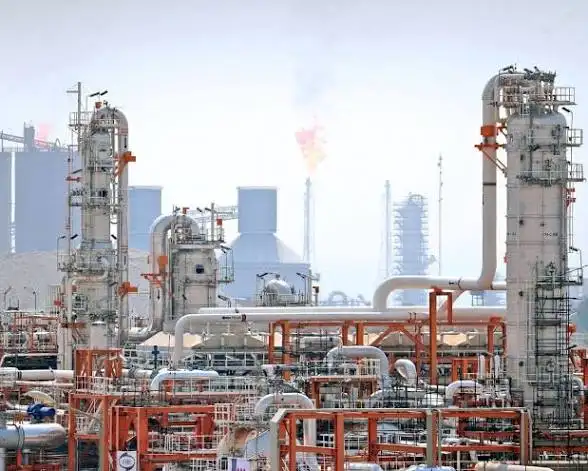
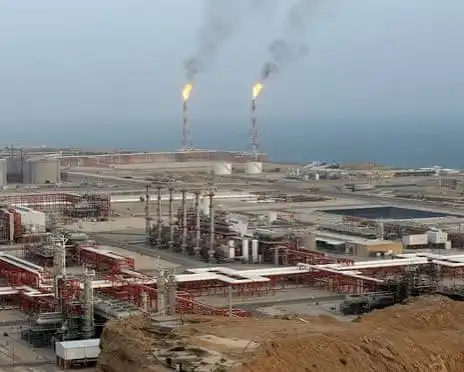
Iran says it will show zero restraint if energy infrastructure is targeted again, signaling a sharper phase in the ongoing regional confrontation and raising concerns among global energy markets and diplomatic observers about potential disruptions to supply chains, maritime security, and broader geopolitical dynamics across the Gulf and beyond in coming weeks as tensions continue to rise steadily.
Officials in Tehran emphasized that any renewed targeting of critical facilities would prompt a response calibrated to impose significant costs, describing a posture that analysts interpret as both deterrent messaging and preparation for broader engagement, while regional governments quietly review contingency plans for infrastructure protection and emergency coordination measures amid heightened uncertainty across global markets and security institutions.
Energy analysts noted that even rhetorical escalation can influence pricing behavior, with traders reacting quickly to perceived risks surrounding production hubs, shipping routes, and insurance costs, particularly near strategic waterways that handle a large share of international oil and gas flows, thereby amplifying volatility in already sensitive commodity markets worldwide as investors reassess exposure and hedge positions aggressively.
Regional diplomats have increased back channel communication in an effort to prevent miscalculation, even as public statements remain firm, reflecting the delicate balance between signaling resolve and avoiding unintended escalation, with several mediating states offering to host talks aimed at reducing friction and elishing clearer lines of communication between opposing sides to manage risks and maintain regional order.
Military observers suggest that the warning reflects confidence in existing capabilities, including missile systems and proxy networks, though they caution that any significant engagement could draw additional actors into the situation, complicating response calculations and increasing the likelihood of unintended consequences that extend beyond immediate areas of confrontation across the Middle East with implications for security planning worldwide.
Market participants are also watching government responses, particularly from major consuming nations that may consider releasing strategic reserves or coordinating policies to cushion potential shocks, while shipping companies evaluate route adjustments and risk premiums, reflecting a broader sense of caution that extends through logistics networks and financial systems connected to energy trade as uncertainty continues to shape expectations.
The latest statement underscores how quickly tensions can evolve into wider economic concerns, as governments, corporations, and citizens monitor developments closely, aware that disruptions in energy infrastructure can have cascading effects on prices, employment, and political decision making, reinforcing the urgency for diplomatic engagement and practical measures aimed at reducing risks in an already fragile environment globally today.







Leave a comment