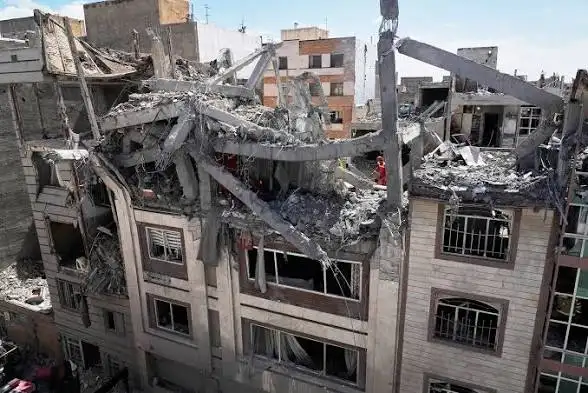
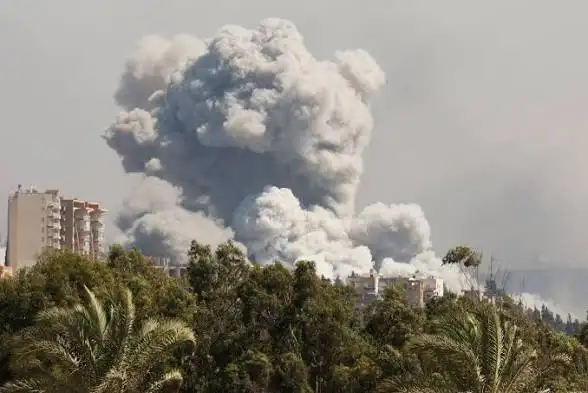
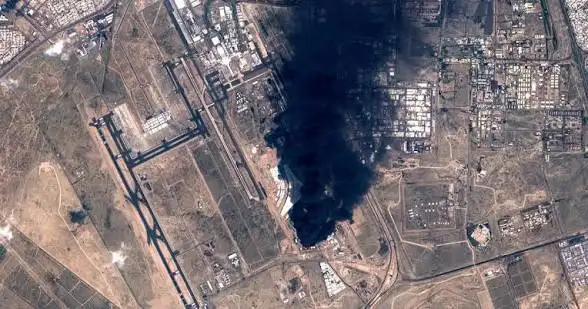
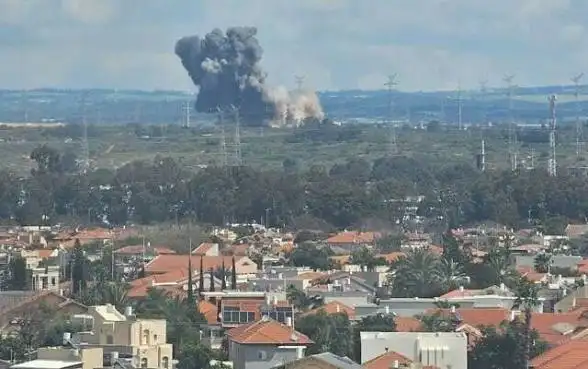
Iranian authorities have reported widespread damage to civilian infrastructure across multiple regions as hostilities continue to intensify. Officials estimate that more than ninety two thousand structures have been affected, including residential buildings, schools, healthcare facilities, and essential public services. The scale of destruction has raised significant concerns about the humanitarian situation and the long term recovery challenges facing the country.
Government representatives stated that emergency teams have been deployed nationwide to assess the extent of the damage and provide immediate assistance to affected communities. Efforts are underway to restore critical services such as electricity, water supply, and transportation networks, which have been severely disrupted in several provinces. Authorities emphasized the importance of maintaining coordination among agencies to ensure efficient response operations.
The Iranian Red Crescent and other humanitarian groups are actively involved in relief efforts, distributing food supplies, medical aid, and temporary shelter materials to displaced populations. Officials highlighted the urgency of addressing the needs of vulnerable groups, including children and the elderly, who have been disproportionately affected by the destruction of homes and essential services in densely populated urban areas.
Economic experts warn that the widespread infrastructure damage could have lasting consequences for Iran’s economy, particularly in sectors reliant on le logistics and industrial output. Reconstruction costs are expected to be substantial, placing additional strain on national resources. Analysts note that rebuilding efforts may take years, depending on the availability of funding and the broader security environment.
International organizations have expressed deep concern over the reported scale of civilian impact, urging all parties involved to prioritize the protection of non military areas. Calls for adherence to international humanitarian principles have intensified, with emphasis on minimizing harm to civilians and ensuring access to essential services during ongoing hostilities across the region.
Regional observers caution that the destruction of infrastructure may contribute to increased displacement and migration pressures, both within Iran and across neighboring countries. The disruption of basic services could further exacerbate living conditions, leading to heightened social and economic challenges that extend beyond immediate conflict zones and into broader regional ility concerns.
Despite the challenges, Iranian authorities have signaled their commitment to rebuilding affected areas and supporting impacted communities. Officials reiterated that recovery efforts will focus on restoring normalcy as quickly as possible, while also strengthening infrastructure resilience against future disruptions. The situation remains closely monitored by international agencies as developments continue to unfold.






Leave a comment