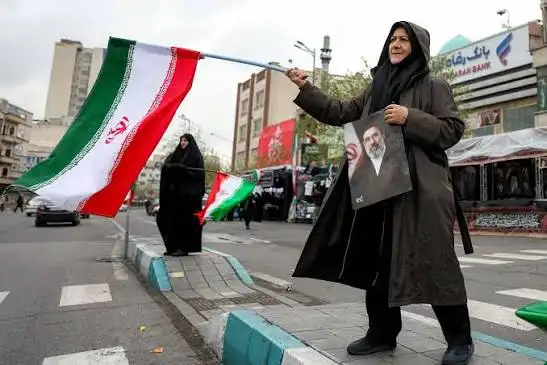
Iran has formally rejected a recent United States peace proposal, describing it as one sided and unfair in its current form. Officials in Tehran stated that the framework fails to address core concerns related to sovereignty, sanctions relief, and regional security, raising doubts about the viability of renewed diplomatic engagement between both nations at this stage right now.
Government representatives emphasized that any meaningful agreement must reflect balanced concessions from all parties involved. They argued that the current proposal appears to favor United States strategic interests while placing disproportionate obligations on Iran. Analysts suggest that such perceptions could deepen mistrust, further complicating already fragile diplomatic channels that have struggled to produce lasting agreements in recent years globally.
Officials familiar with the negotiations indicated that Iran remains open to dialogue but insists on revisions that ensure mutual respect and equitable outcomes. They highlighted the importance of lifting economic restrictions as part of any deal, noting the significant domestic pressures caused by prolonged sanctions. Observers believe this stance reflects both political considerations and economic necessity within the country today.
The United States has not issued a detailed response to Iran’s rejection, though officials have previously expressed optimism about reaching a compromise. Diplomatic sources indicate that backchannel communications may continue despite the public disagreement. Experts note that such negotiations often involve prolonged periods of tension before progress is achieved, particularly in complex geopolitical situations involving multiple stakeholders worldwide.
Regional reactions have been mixed, with some countries urging restraint and others calling for renewed efforts to bridge differences. International organizations have also encouraged both sides to prioritize dialogue over confrontation. Many experts warn that continued disagreements could have broader implications for regional security, especially given existing tensions involving multiple actors across the Middle East and surrounding areas today.
Economic analysts are closely monitoring the situation, noting that uncertainty surrounding negotiations could influence global energy markets. Iran’s role as a significant oil producer means that prolonged diplomatic challenges may contribute to fluctuations in supply expectations. This, in turn, could impact pricing trends and investor confidence, particularly in markets already sensitive to geopolitical developments across major producing regions worldwide.
Despite the setback, some observers remain cautiously optimistic that negotiations could resume under revised terms. They argue that both sides have incentives to reach an understanding, even if progress is slow. The coming period is expected to test diplomatic resilience, as leaders weigh strategic interests against the potential benefits of a negotiated resolution for long term regional ility.







Leave a comment