
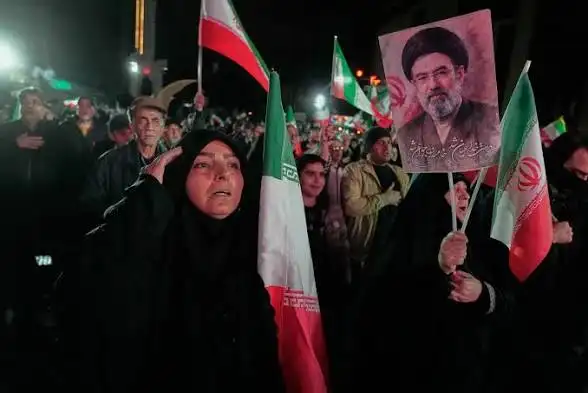
Iran has rejected a ceasefire proposal put forward by the United States, signaling that it intends to continue its current course without external conditions. Officials in Tehran stated that any resolution to the conflict would occur on terms determined internally, emphasizing sovereignty and strategic priorities as central to their decision making amid ongoing regional tensions.
Government representatives said that the proposal failed to address key concerns raised by Iran, including security guarantees and broader geopolitical considerations. They argued that accepting such terms without significant revisions would not serve national interests. The rejection highlights deep divisions between the two sides and underscores the complexity of efforts aimed at reducing hostilities.
United States officials have expressed disappointment over the decision, noting that the ceasefire initiative was intended to create space for dialogue and humanitarian relief. They reiterated calls for de escalation and urged Iran to reconsider its position. Diplomatic channels remain open, though prospects for immediate progress appear limited given the current stance of both governments.
Analysts suggest that Iran position reflects a broader strategy focused on maintaining leverage in negotiations while avoiding commitments that could be perceived as concessions. By rejecting the proposal, Tehran may be seeking to strengthen its bargaining position in any future talks. Observers note that such an approach carries risks, including prolonged confrontation and increased regional uncertainty.
Regional actors are closely monitoring developments, as the outcome could influence security dynamics across the Middle East. Some governments have called for renewed diplomatic engagement, while others are preparing for potential escalation scenarios. The rejection adds another layer of complexity to an already volatile environment marked by competing interests and strategic rivalries.
Humanitarian organizations have raised concerns about the continued impact of the conflict on civilian populations. Without a ceasefire, access to essential services and aid delivery remains uncertain in affected areas. International agencies are urging all parties to prioritize measures that protect civilians and ensure the flow of humanitarian assistance despite ongoing hostilities.
The situation remains fluid, with no immediate indication of a shift in positions from either side. Experts warn that sustained diplomatic efforts will be necessary to bridge differences and reduce tensions. Until then, the rejection of the ceasefire proposal underscores the challenges facing international attempts to achieve a negotiated resolution to the conflict.











Leave a comment